Sonicare Lineup Guide
Philips Sonicare ProtectiveClean
5100 Electric Toothbrush: 5100
vs 4300 vs 1100
Updated September 30, 2026. As an Amazon Associate, Syed Shoppe earns from qualifying purchases.
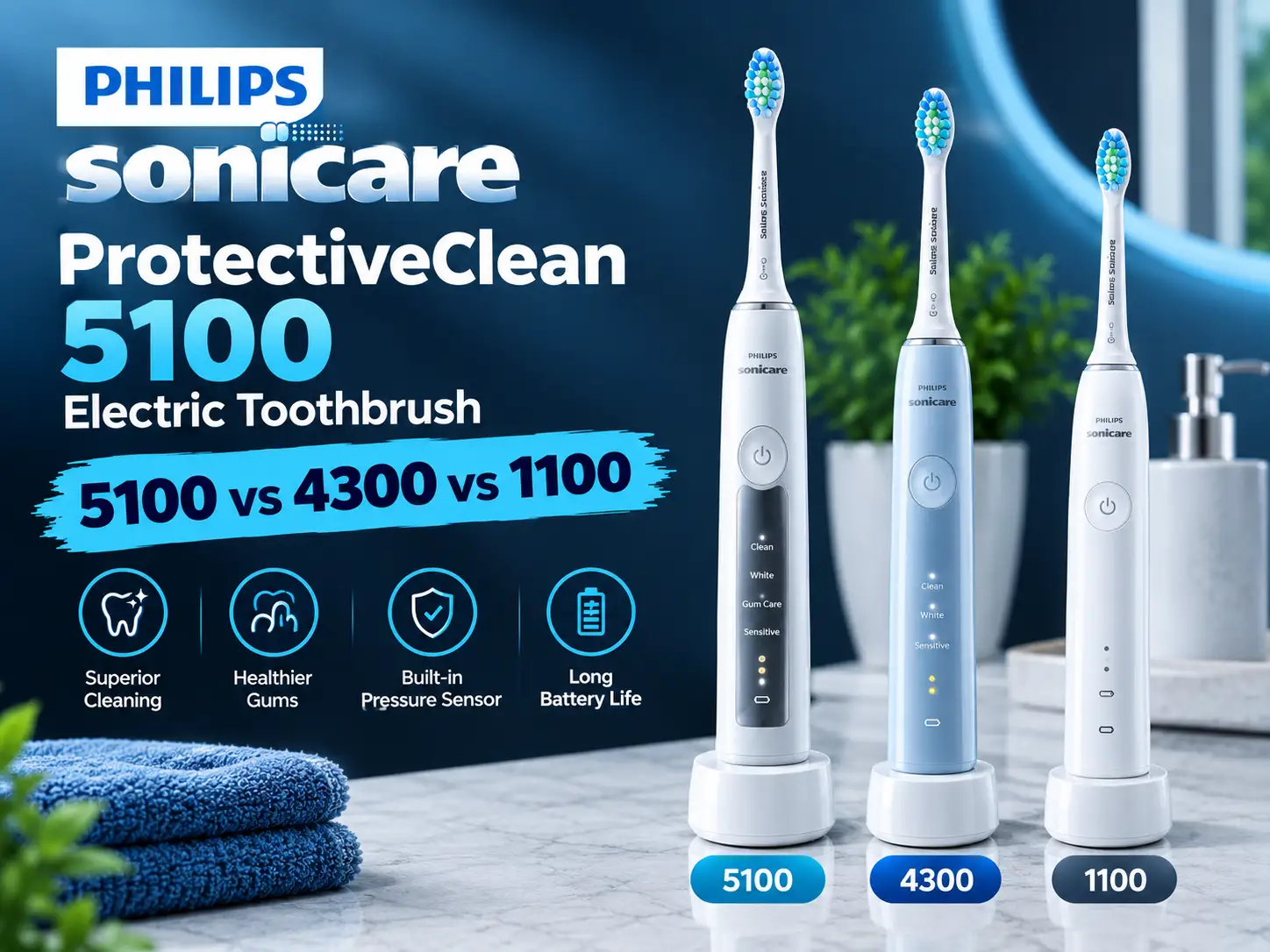
Sonicare model names confuse almost everyone. The handles look alike, yet the prices jump quickly. The philips sonicare protectiveclean 5100 electric toothbrush sits in the middle of that confusion. Therefore, we start with it, then compare it with the ProtectiveClean 4300 and the budget 1100.
All three use Sonicare’s sonic motion, which Philips explains on its official 1100 series page. However, they differ in modes, sensors, and extras. For a wider view first, read our best electric toothbrush for adults guide. Also, new to power brushes? Our step-by-step electric toothbrush brushing guide shows the right technique. By the end, you will know which handle fits your gums and your budget.
What's Inside This Sonicare Guide
Quick Verdict: Why the Philips Sonicare ProtectiveClean 5100 Electric Toothbrush Wins
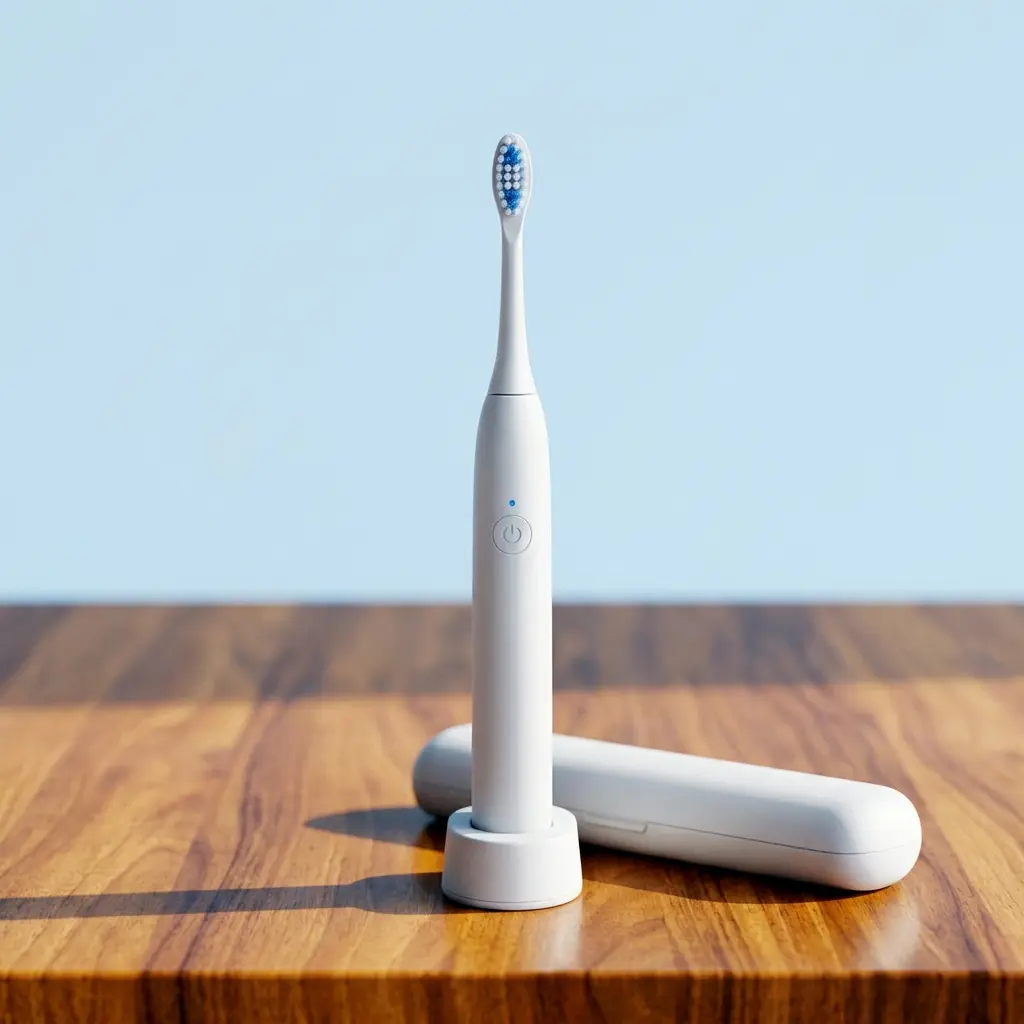
Our pick: the philips sonicare protectiveclean 5100 electric toothbrush. It adds three cleaning modes, a pressure sensor, and a travel case at a fair price. Consequently, most adults get the best balance here.
Meanwhile, the 4300 suits people who want simple controls. The 1100 suits shoppers who want the lowest price. However, the 1100 lacks a pressure sensor, so it is easy to brush too hard.
Quick Comparison Table
| Feature | ProtectiveClean 5100 | ProtectiveClean 4300 | Sonicare 1100 |
|---|---|---|---|
| Cleaning modes | 3 (Clean, White, Gum Care) | 1 (Clean), 2 intensities | 1 |
| Pressure sensor | Yes | Yes | No |
| BrushSync reminder | Yes | Yes | No |
| Battery life | Up to 14 days | Up to 14 days | Up to 14 days |
| Travel case | Included | Included | Not included |
| Approx. price | ~$80 | ~$60 to $100 (bundles vary) | ~$20 to $30 |
| Best for | Most adults | Simple, reliable daily use | Tight budgets |
Prices are approximate and change often. Always confirm the current price on Amazon.
Philips Sonicare ProtectiveClean 5100 Electric Toothbrush: Best Overall
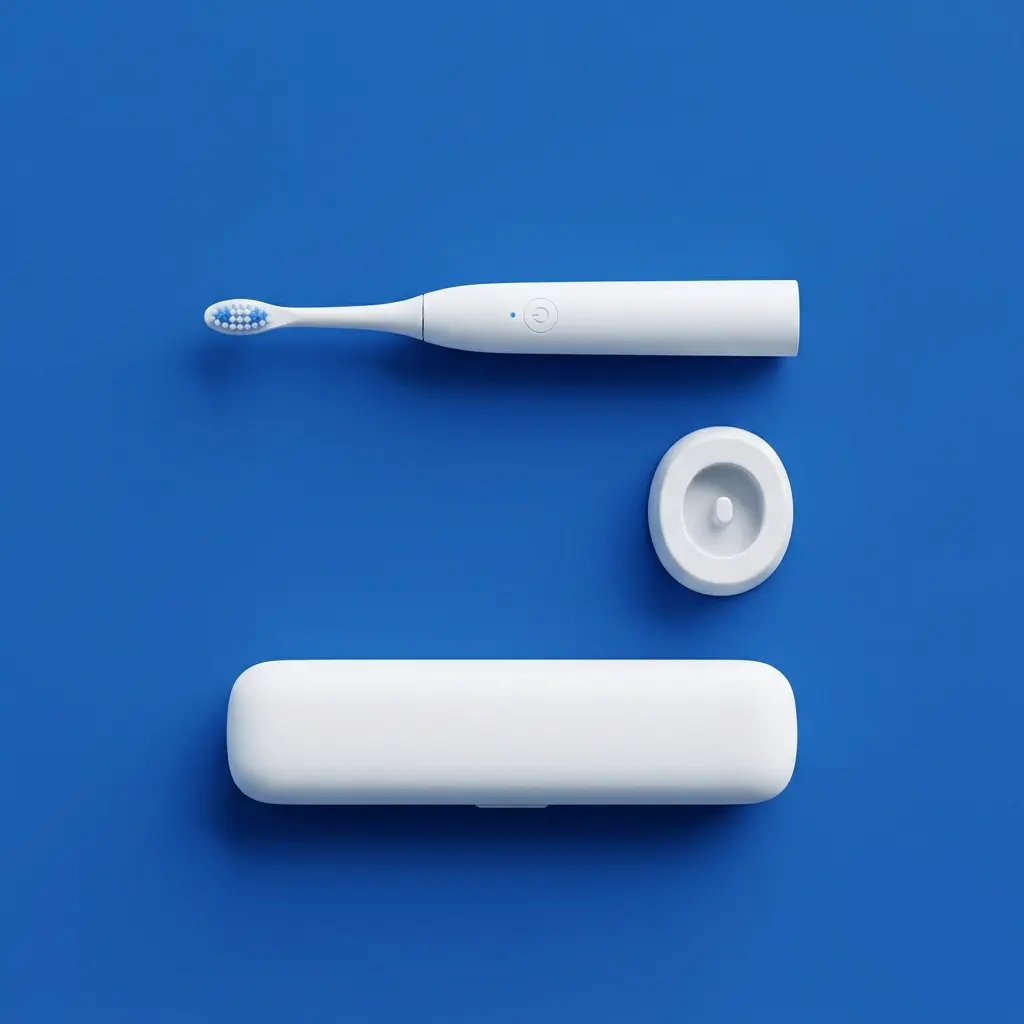
The philips sonicare protectiveclean 5100 electric toothbrush is the model most shoppers should buy. It offers Clean, White, and Gum Care modes. In addition, it includes a pressure sensor that warns you about hard brushing. A BrushSync reminder also tells you when to swap the head.
Battery life reaches about 14 days per charge. As a result, it travels well, and the included case helps. Some bundles ship with a Gum Care head, while others ship with a plaque control head. Therefore, check the listing before you buy.
Pros and Cons of the Philips Sonicare ProtectiveClean 5100 Electric Toothbrush
Pros
- Three modes cover daily cleaning, whitening, and gentle gum care
- Pressure sensor protects gums from hard brushing
- BrushSync reminds you to replace the head
- About 14 days of battery per charge
- Travel case included
- Works with most Sonicare snap-on heads
Cons
- Costs more than the 4300 and 1100
- No Bluetooth app or brushing data
- Bundle contents differ by listing
- Brush heads add ongoing cost
- Plastic charger base feels basic
Sonicare ProtectiveClean 4300: Best for Simple Brushing
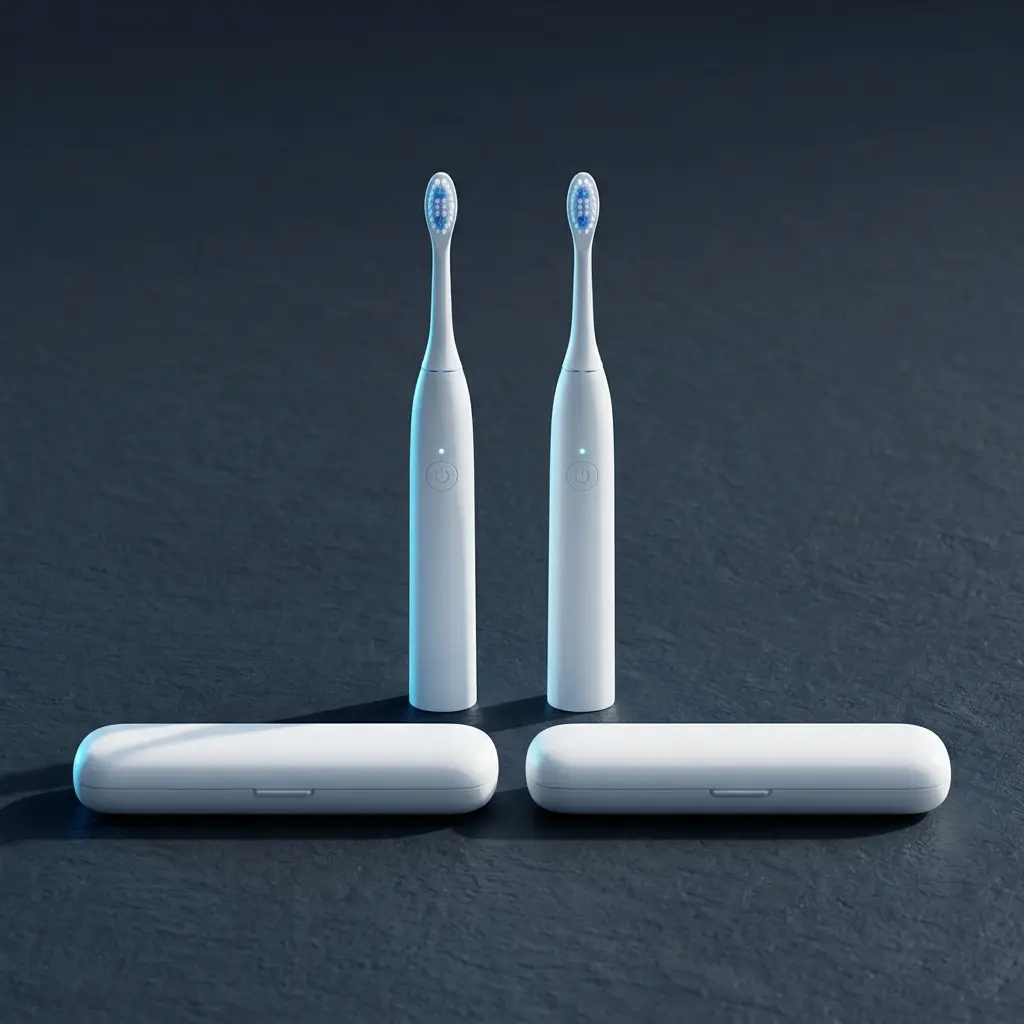
Next, the ProtectiveClean 4300 keeps things simple. It has one cleaning mode with two intensity levels. Still, it keeps the pressure sensor and the BrushSync reminder. Dental Rave describes it as nearly identical to the 4100, with a travel case as the main extra.
Moreover, some US listings sell the 4300 as a two-pack. That bundle includes two handles, three plaque control heads, two cases, and two chargers. For example, couples can save money this way. However, single-handle prices vary, so compare before you order.
Sonicare 1100: Best Budget Option
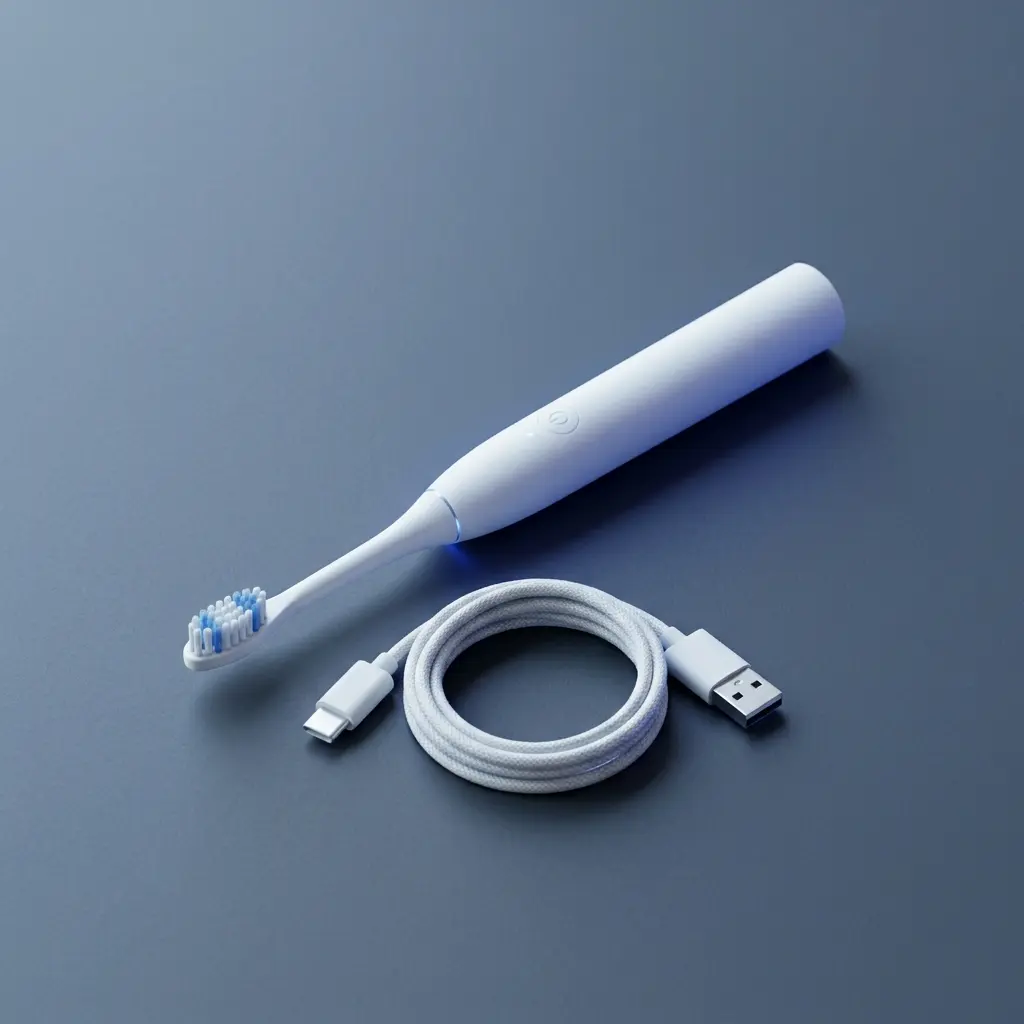
Finally, the Sonicare 1100 is the cheapest way into the brand. It delivers sonic cleaning, a two-minute timer, and a QuadPacer. Also, EasyStart ramps up power over your first 14 uses, which helps first-time electric users.
However, it has no pressure sensor, no BrushSync, and only one mode. Electric Teeth calls the missing sensor its biggest downside. Even so, it suits guest bathrooms, students, and anyone testing electric brushing for the first time.
5100 vs 4300 vs 1100: Key Differences
Modes. The 5100 gives you three choices, while the 4300 gives you one. TestHut argued that extra modes matter little in daily use. Nevertheless, Gum Care is useful if your gums feel tender.
Safety. Both ProtectiveClean handles include a pressure sensor. In contrast, the 1100 does not. Consequently, the 1100 asks you to control your own pressure.
Extras. The 5100 and 4300 come with a travel case. The 1100 usually does not. Similarly, only the ProtectiveClean handles track head wear with BrushSync.
Upgrade math. Mydentaladvocate says the step up from the 4100 to the 5100 is mostly about modes and heads. Their 4100 vs 5100 comparison explains it. The same logic applies here.
Best Pick by Budget: Is the Philips Sonicare ProtectiveClean 5100 Electric Toothbrush Worth It?
Under $30: Choose the 1100. It is the simplest way to try a Sonicare.
Around $60 to $80: Choose the 4300 or the philips sonicare protectiveclean 5100 electric toothbrush. The 5100 is better if you want Gum Care and White modes.
Buying for two: Consider a 4300 two-pack. Furthermore, you avoid buying two separate cases.
Want more options beyond Sonicare? Our adult electric toothbrush roundup covers other brands too.
Brush Heads and Battery Life
All three handles use snap-on Sonicare brush heads. Because of that, you can often share heads across models. However, BrushSync only works on the ProtectiveClean handles.
Battery life is about 14 days on all three. Therefore, weekend trips rarely need a charger. On the 1100, Philips supplies a USB charger, but it leaves out the wall adapter.
For a broader Sonicare model chart, see the Electric Teeth Sonicare comparison page.
How We Chose These Sonicare Models
Our scores are editorial judgments based on published specs and reviews. We did not run lab tests.
Sonicare Buying Questions Answered
Is the philips sonicare protectiveclean 5100 electric toothbrush worth it?
Yes, for most adults. The 5100 adds three modes, a pressure sensor, BrushSync, and a travel case. Those extras matter if you want gentle gum care and whitening options. However, if you only want basic cleaning, the 4300 or 1100 may be enough.
What is the difference between the 5100 and the 4300?
The 5100 has three cleaning modes, while the 4300 has one mode with two intensities. Both have a pressure sensor and BrushSync. The 4300 is often sold in bundles, so its price varies more.
Does the Sonicare 1100 have a pressure sensor?
No. The 1100 lacks a pressure sensor, so it cannot warn you about brushing too hard. Therefore, it fits best if you already use a light touch or want the lowest price.
How long does a Sonicare battery last?
All three models last up to about 14 days per charge under normal twice-daily use. Real-world results vary with intensity settings and battery age.
Can I use the same brush heads on all three?
Mostly yes, because Sonicare uses snap-on heads. However, BrushSync reminders only work on the ProtectiveClean handles, so check each head’s compatibility note.
Which Sonicare is best for sensitive gums?
The philips sonicare protectiveclean 5100 electric toothbrush is the safest pick because it has a Gum Care mode and a pressure sensor. Also, the 1100’s EasyStart feature eases you in over 14 uses, which helps new users.
Final Verdict: Is the Philips Sonicare ProtectiveClean 5100 Electric Toothbrush Right for You?
For most people, the philips sonicare protectiveclean 5100 electric toothbrush is the smartest buy. It balances modes, safety, and price. Meanwhile, the 4300 is a solid simple choice, and the 1100 is the cheap starter.
In short, pick the 5100 for gum care, the 4300 for simplicity, and the 1100 for budget.