
Philips Sonicare DiamondClean Electric Toothbrush Review: Worth the Price?
As an Amazon Associate, Syed Shoppe earns from qualifying purchases. Also, read our affiliate disclaimer.
What You Will Find in This Review
Quick Verdict: Is the Philips Sonicare DiamondClean Electric Toothbrush Worth It?
Overall, yes for design and battery life, though the price is hard to justify on cleaning power alone.
Short answer: yes, if a premium look and a long battery matter more to you than saving money. The Philips Sonicare DiamondClean electric toothbrush gives you five modes and a glass-style charging stand. It also adds a battery that often beats its own claim. However, it costs far more than the Sonicare 4100, and it lacks a visible pressure-sensor light found on cheaper rivals. Therefore, it fits buyers who see this brush as a bathroom-counter statement piece as much as a cleaning tool.
How we reviewed it: we used Philips specs, independent reviews, and real buyer reports. We did not run a lab test on the Philips Sonicare DiamondClean electric toothbrush ourselves. Instead, we checked each claim against outside sources. Also, this page is not dental advice, so ask your dentist about braces or gum disease.
Our Editorial Scorecard
These scores rate this brush on eight points. They come from Philips specs, expert reviews, and buyer feedback. Consequently, they show where the Philips Sonicare DiamondClean electric toothbrush shines and where it falls short.
Philips Sonicare DiamondClean Electric Toothbrush Specs at a Glance
Here are the numbers that matter. Specs come from Philips, Amazon listings, and independent reviews. However, bundles, colors, and exact mode names differ between sellers, so check your listing before you order.
Note that real-world battery life often beats the two-week claim here, unlike some budget brushes. In contrast, Dentistry Blogger, a UK dentist’s review site, measured roughly three weeks of normal use from a single charge. Therefore, this is one area where the premium price pays off.
| Feature | What You Get |
|---|---|
| Cleaning action | Sonic vibration, up to 31,000 brush strokes per minute |
| Modes | 5 (Clean, White, Polish, Gum Care, Sensitive, varies by edition) |
| Brush head | Diamond-shaped sonic head, click-on fit |
| Timer | 2 minutes, with a quadrant pacer every 30 seconds |
| Pressure sensor | Vibrates the handle; no visible light on the base model |
| Connectivity | Bluetooth to the Sonicare app; optional, not required to use the brush |
| Battery | Up to 2 weeks claimed; independent tests found closer to 3 weeks |
| Charge time | Roughly 24 hours for a full charge, similar to other Sonicare models |
| Warranty | 2 years from the purchase date |
| Head fit | Standard Sonicare click-on heads: C1, C2, C3, G2, G3, W, and others |
| Travel case | Glass-style charging travel case included |
| BrushSync | Tracks head wear and can pair automatically with certain modes |
Design and What's in the Box
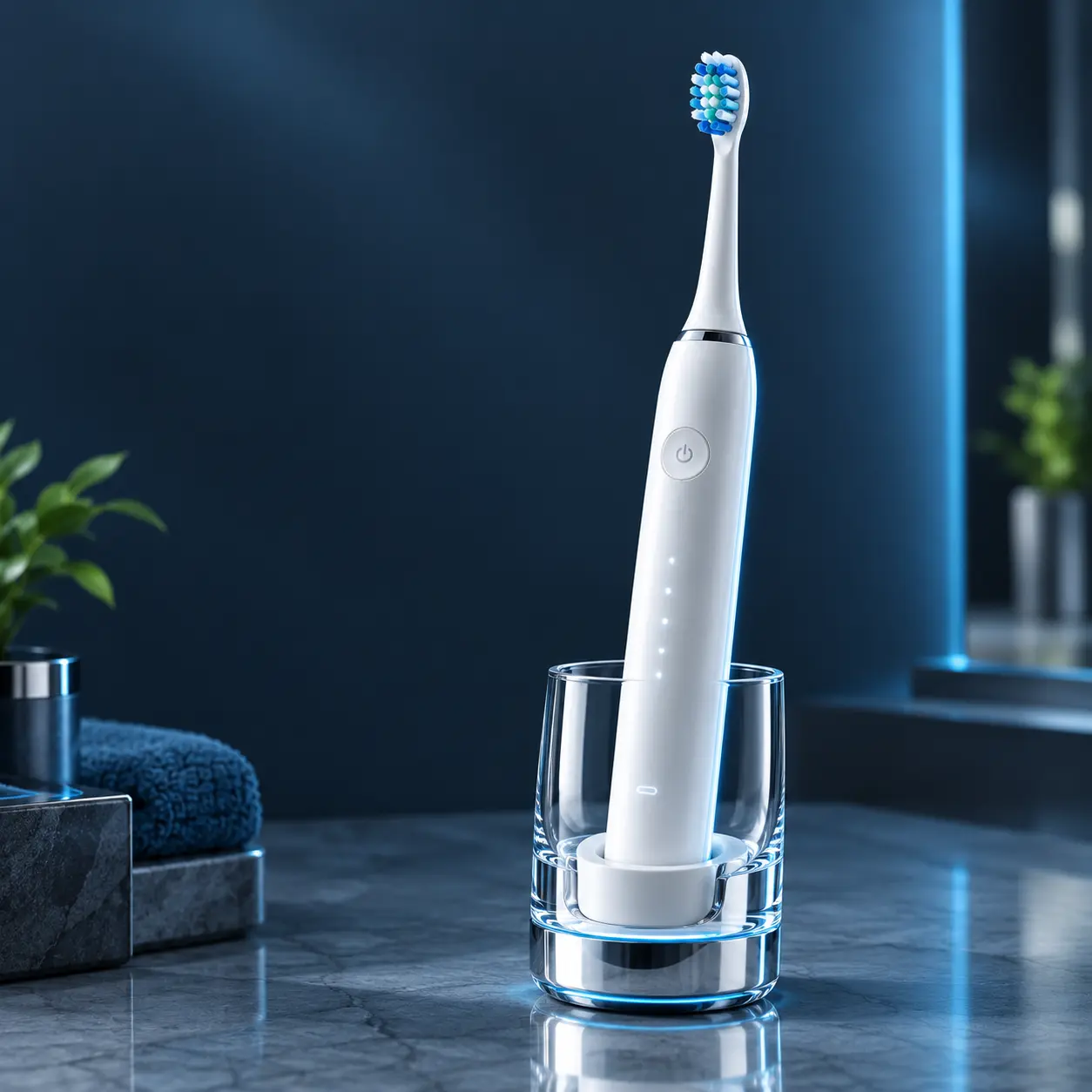
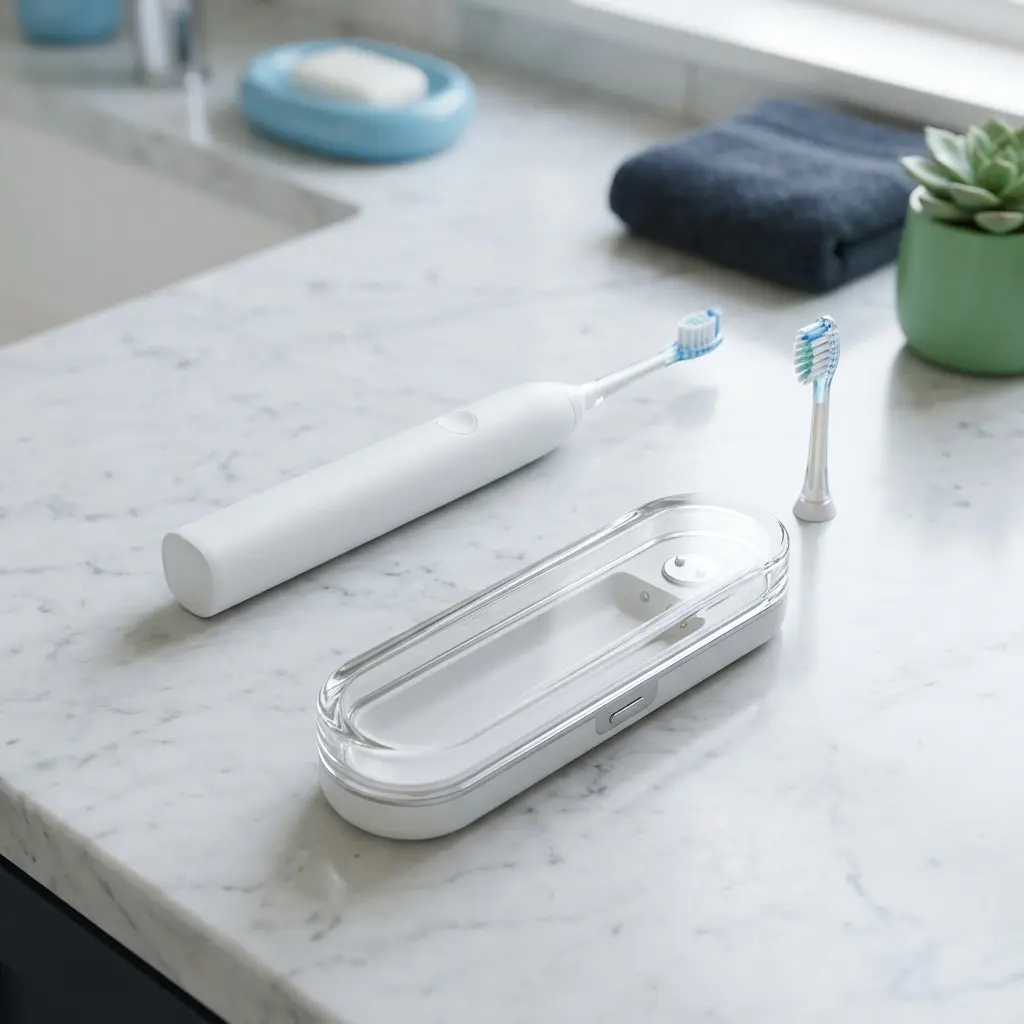
The Philips Sonicare DiamondClean electric toothbrush looks and feels like a premium bathroom accessory. You get a sleek handle, a glass-style charging stand, and a diamond-shaped brush head. As a result, it stands out on a counter in a way budget brushes simply do not.
In the box, you usually get the handle, the glass charging stand, a travel case, and one brush head. Therefore, this bundle already covers most of what a new buyer needs, aside from spare heads.
Overall, the build feels solid and polished throughout. TechRadar described the design as stylish and modern, closely related to Philips’s higher-end 9900 Prestige model. Buyer reviews echo this, often citing the look as a reason to choose it over cheaper alternatives.
The glass charging stand doubles as a display piece rather than a plain plastic dock. Also, a travel case protects the brush and head when you are away from home.
How the Philips Sonicare DiamondClean Electric Toothbrush Cleans
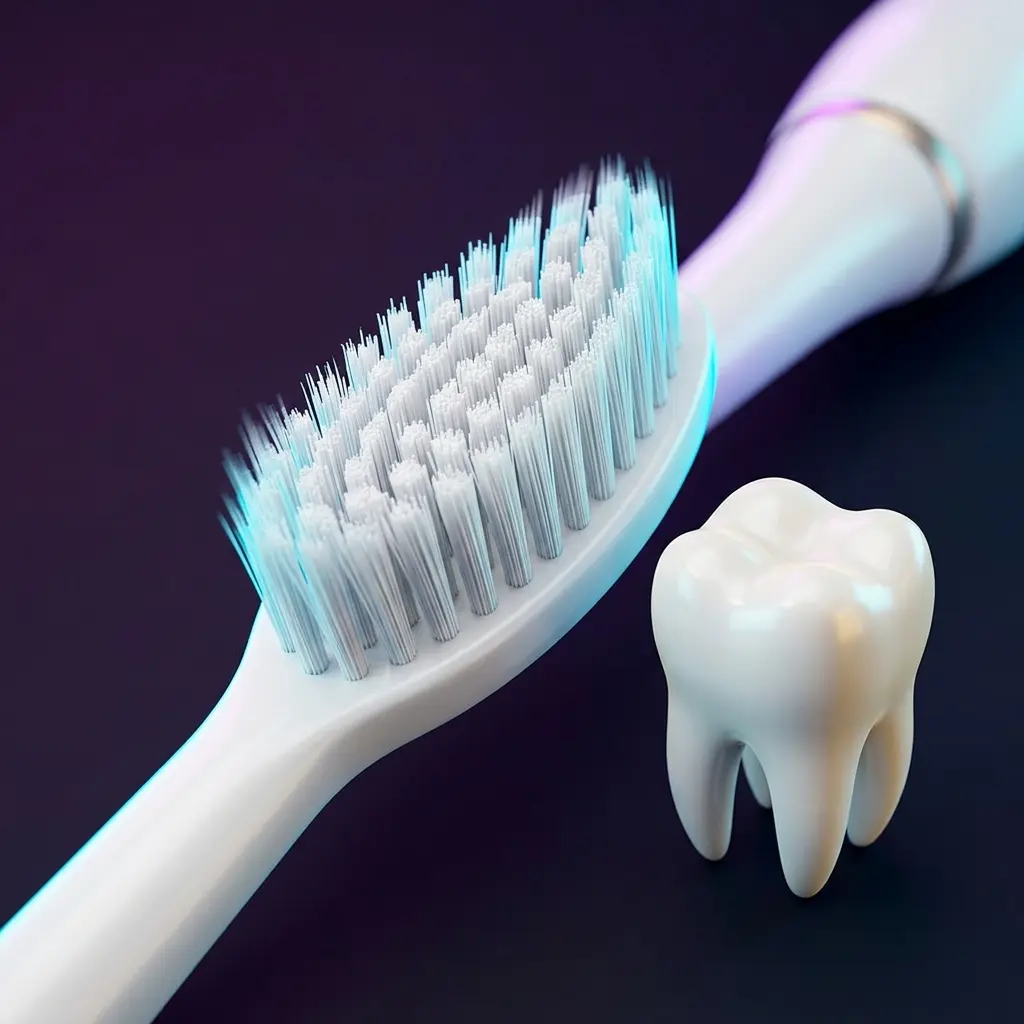
Short answer: it cleans exceptionally well, using the same sonic motion found across the Sonicare range. In addition, its diamond-shaped head moves at up to 31,000 strokes per minute.
This high-speed vibration pulses fluid between teeth, rather than only scrubbing the surface. Philips claims this removes up to 1000% more plaque than a manual brush on certain editions. That is a brand claim, so treat it as a best case. Still, Dentistry Blogger rated the cleaning mechanism highly, even while criticizing the missing pressure light.
Meanwhile, five cleaning modes let you tailor the brush to your needs. Options range from a gentle Sensitive setting to a focused Gum Care mode. On the other hand, a simpler brush like the Sonicare 4100 still cleans well for a fraction of the price. Therefore, the real-world gap may be smaller than the mode count suggests.
DiamondClean vs a Manual Brush
The gap with a manual brush is easy to see. For instance, a manual brush moves about 300 strokes per minute. In contrast, this brush pulses up to 31,000 times per minute.
| Feature | Manual Brush | Philips Sonicare DiamondClean |
|---|---|---|
| Movement per minute | About 300 strokes | Up to 31,000 sonic strokes |
| Modes | None | 5, including Gum Care and Sensitive |
| Pressure feedback | Your own hand | Handle vibrates, no visible light |
| Plaque removal claim | Baseline | Up to 1000% more, per Philips (vs a manual brush) |
| Effort | You do the scrubbing | The brush does the motion |
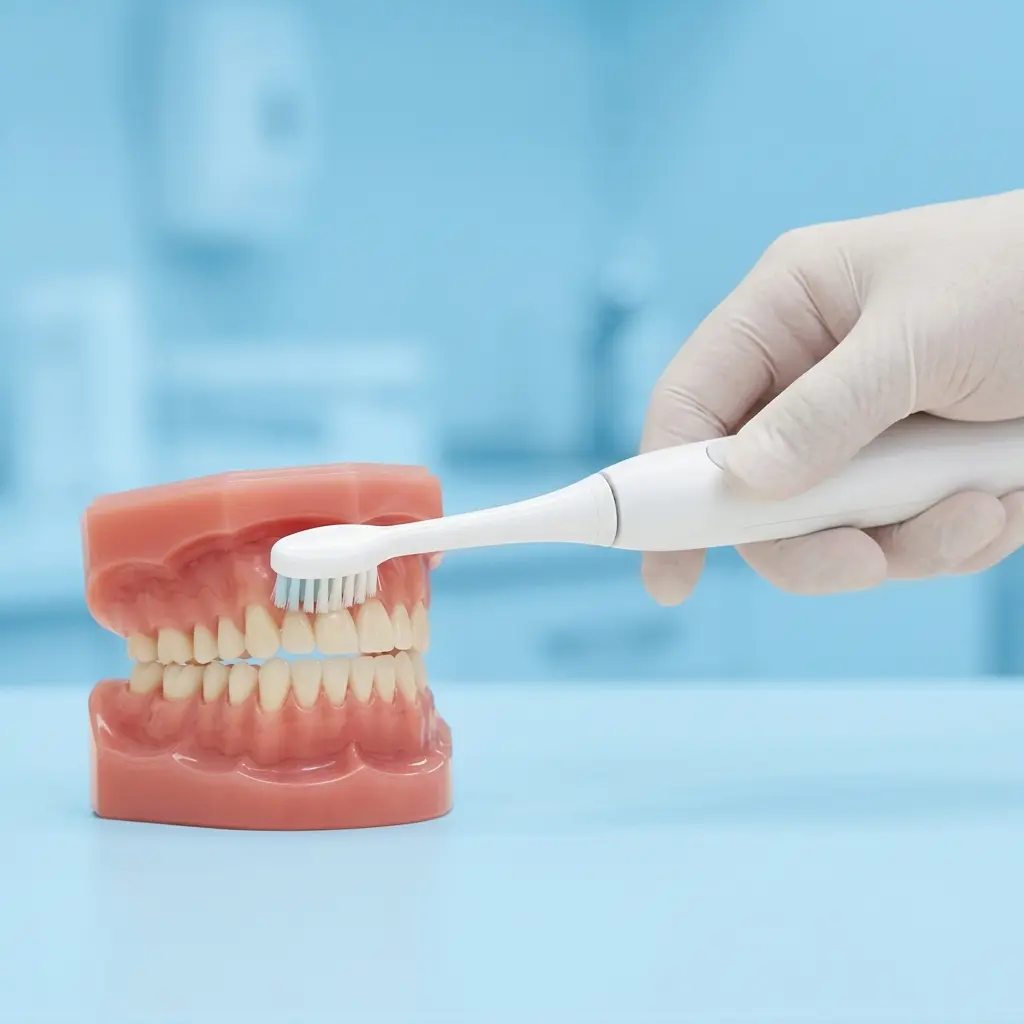
Pressure Sensor, Timer, and App: A Real Gap at This Price
Short answer: the timer and app work well. However, the pressure sensor is a genuine weak point for a brush at this price. Even so, the overall package still functions well day to day.
The two-minute timer pulses every 30 seconds through a quadrant pacer, matching the rest of the Sonicare range. Meanwhile, the pressure sensor only vibrates the handle when you press too hard, with no visible light to confirm it. Dentistry Blogger called this missing feature surprising on such a high-priced brush. After all, cheaper rivals like the Oral-B iO Series 7 include a clear light-based warning instead.
The Sonicare app adds brushing history and head-wear tracking over Bluetooth. However, several reviewers note the app is optional rather than essential. The brush still works perfectly well without ever connecting it.
Tip: therefore, weigh this gap carefully against the DiamondClean’s other strengths. That matters most if a visible pressure warning matters to you.
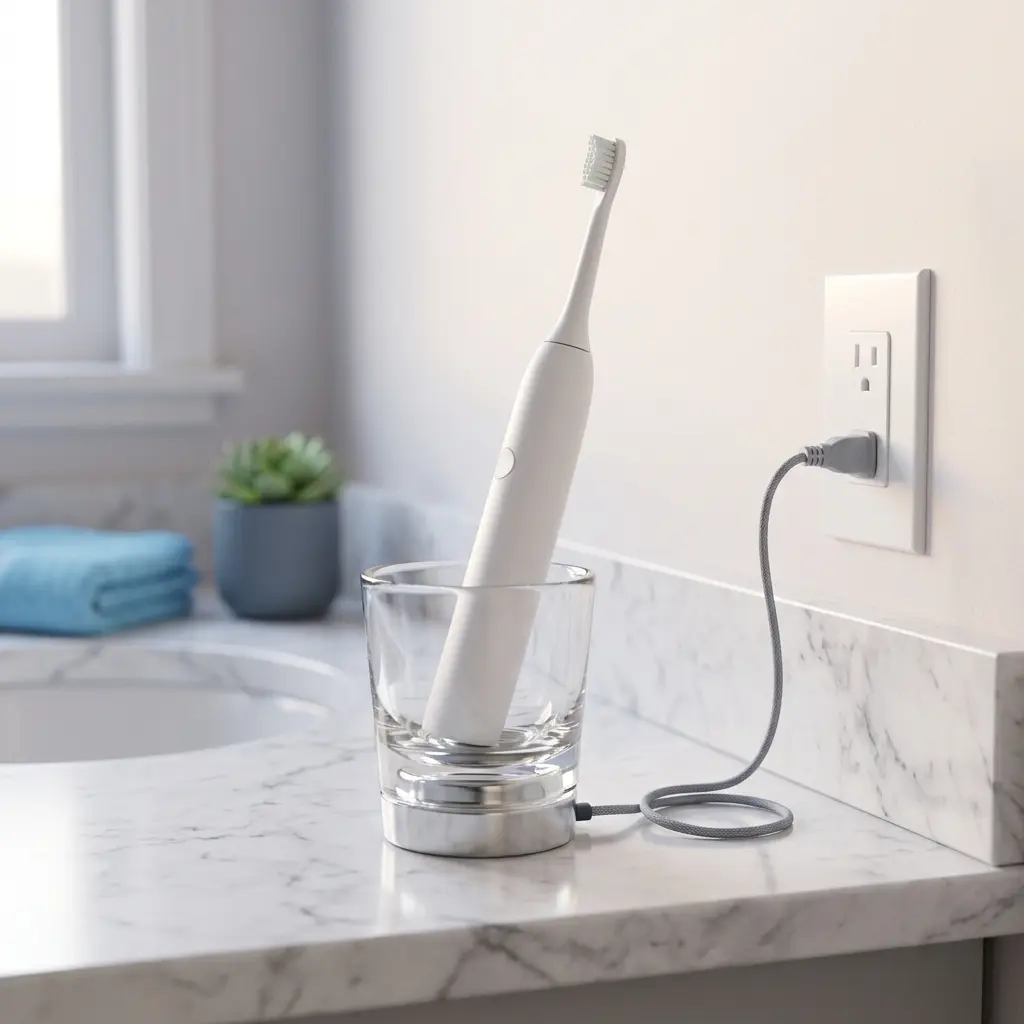
Battery Life, Charging, and Noise
How Long Does the Battery Last?
Short answer: expect somewhere between two and three weeks per charge, among the longest in this cluster. In addition, this is one area where the DiamondClean consistently impresses reviewers.
Philips lists up to two weeks on a full charge. Meanwhile, Dentistry Blogger measured roughly three weeks of normal use from a single charge, calling the lithium-ion battery fantastic. That gap works in the buyer’s favor here, unlike some rivals where real-world results fall short of the claim.
Charging follows a similar pattern to other premium Sonicare models. It takes around a day for a full charge on the glass stand. So an overnight charge covers you comfortably for weeks at a time.
Overall, noise sits at a reasonable level for a sonic brush. General buyer feedback across the Sonicare range describes the hum as moderate rather than sharp. It sits closer to the Sonicare 4100 than to a louder rotating-oscillating brush.
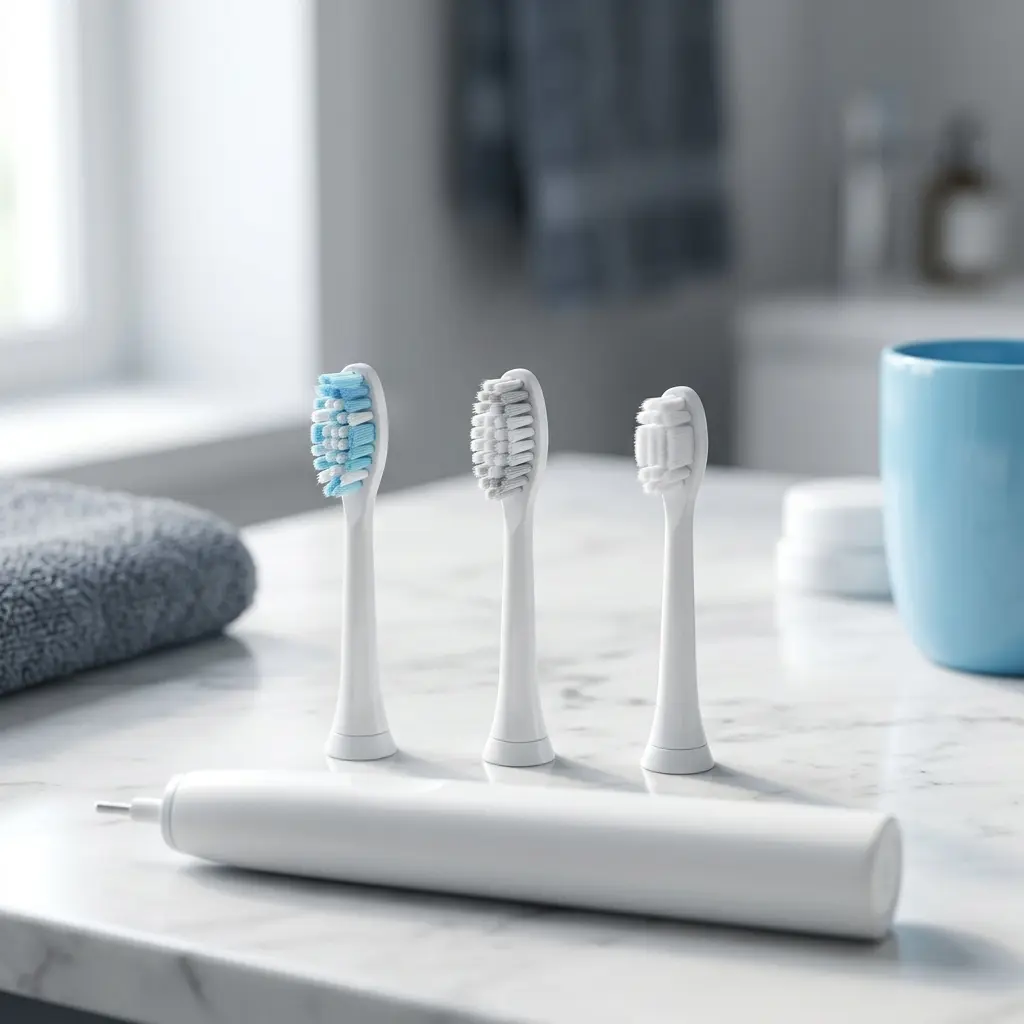
Brush Heads and Running Costs
Overall, replace the head every three months, or sooner if the bristles splay. Philips states this on its listings. The handle takes standard Sonicare click-on heads. Therefore, you are not locked into a narrow, brush-specific lineup the way iO owners are.
The table below lists common options that fit this handle, though exact bundles vary by edition.
| Brush Head | Best For |
|---|---|
| C2 Optimal Plaque Control | Everyday cleaning |
| G3 Premium Gum Care | Gentle care for sensitive gums |
| W3 Premium White | Polishing away surface stains |
| TongueCare+ | A dedicated tongue-cleaning attachment on some bundles |
Running costs stay in line with the rest of the Sonicare range, despite the handle’s higher upfront price. Philips also backs the brush with a two-year warranty from the purchase date, matching its other models.
Philips Sonicare DiamondClean Electric Toothbrush Pros and Cons
Here is the quick balance sheet. As a result, you can spot deal-breakers fast.
What We Like
- Excellent sonic cleaning across 5 modes
- Premium, polished design and glass charging stand
- Battery often beats its own two-week claim
- Standard Sonicare heads, not a locked-in system
- Optional app adds useful tracking without being required
- Travel case included
- 2-year warranty
What Could Be Better
- High price compared with the rest of this cluster
- No visible pressure-sensor light, unlike the Oral-B iO Series 7
- Mode switching can require stopping the brush
- App setup takes extra time most people skip
- Costs far more than the Sonicare 4100 for a similar core clean
Philips Sonicare DiamondClean Electric Toothbrush vs Rivals
How does it stack up? Below, we compare it with three brushes we cover on this site. Because each brush suits a different buyer, look at the rows that matter most to you. For example, if a visible pressure light matters, the iO Series 7 wins outright.
| Feature | DiamondClean | Oral-B iO Series 7 | Philips Sonicare 4100 | ProtectiveClean 5100 |
|---|---|---|---|---|
| Cleaning style | Sonic vibration, 5 modes | Oscillation plus sonic micro-vibrations | Sonic vibration, 1 mode | Sonic vibration, 3 modes |
| Pressure sensor | Vibrates only, no light | Color-coded light ring | Vibrates and cuts power | Visual light |
| Battery | ~2-3 weeks | ~10 days to 2 weeks | Up to 14 days claimed; 8-10 in practice | About 14 days |
| Display or app | App, optional | Onboard display plus app | None | None |
| Typical price | Highest in this cluster | Similar or higher | Lowest in this cluster | Mid-range |
| Best for | Design and battery life | Visual feedback and features | Tight budgets | A step up without the premium cost |
In short, the DiamondClean wins on design and battery life. However, the iO Series 7 wins on pressure feedback. Meanwhile, the Sonicare 4100 and ProtectiveClean 5100 both undercut it heavily on price. See how all four compare in our adult electric toothbrush guide.
iO Series 7, 4100, and ProtectiveClean 5100 details come from our own reviews and Amazon listings. Therefore, confirm current specs on each listing before you buy.
Who Should Buy the Philips Sonicare DiamondClean Electric Toothbrush?
Not every brush fits every budget. Therefore, use this quick guide. First, check the list that sounds like you.
Buy It If
- You want a premium look on your bathroom counter
- You want the longest battery life in this cluster
- You like having 5 modes to choose from
- You already own standard Sonicare heads
- You do not mind paying more for design and polish
Skip It If
- You want a visible pressure-sensor light
- You are on a tight budget
- You do not want to think about an app at all
- You want the newest smart features Philips offers
- You are happy with a simpler, one-mode brush
How to Use the Philips Sonicare DiamondClean Electric Toothbrush Correctly
Good technique matters as much as the brush itself. So follow these steps for a safe, thorough clean.
- Charge the brush fully on its glass stand before the first use.
- Wet the head, then add a pea-sized amount of toothpaste.
- Choose a mode on the handle, such as Clean or Sensitive.
- Place the head lightly against your gums and teeth.
- Let the sonic vibration guide itself along each tooth, without scrubbing.
- Move to a new quarter each time the quadrant pacer pulses, every 30 seconds.
- Rinse the head, then dock the handle back on its charging stand.
- Replace the head every three months.
For a deeper walkthrough, read our step-by-step brushing guide.
Philips Sonicare DiamondClean Electric Toothbrush - FAQs
For many people, yes, though not for everyone. The Philips Sonicare DiamondClean electric toothbrush offers a premium design and five modes. It also adds some of the longest battery life in this cluster. However, it costs far more than the Sonicare 4100, which cleans well at a fraction of the price. Therefore, the extra cost mainly buys design, polish, and battery life rather than a dramatically better clean. If your budget is tight, a cheaper brush still covers the basics.
No, the app is entirely optional. The Philips Sonicare DiamondClean electric toothbrush works fully without ever connecting to Bluetooth or installing the Sonicare app. Several reviewers specifically note they skip the app and still get full use from the brush. However, the app adds that layer on top of the core brushing experience. Use it if you want to track brushing habits or monitor head wear over time.
It depends on your priorities. The DiamondClean offers a longer battery and a glass-style charging stand. The iO Series 7, in contrast, adds a visible pressure-sensor light and an onboard display screen. Therefore, choose the DiamondClean if design and battery life matter most to you. Otherwise, pick the iO Series 7 for clearer real-time feedback while brushing. See our full iO Series 7 review for more detail.
Yes. Oral-B’s iO line uses its own exclusive head design. The Philips Sonicare DiamondClean electric toothbrush, unlike that line, accepts standard Sonicare click-on heads. This includes styles such as C2, G3, and W3, among others. Therefore, you are not locked into a narrow, brush-specific head lineup. Always check the packaging before you buy replacements, since exact compatibility can vary slightly by edition.
Final Verdict: Should You Buy the
Philips Sonicare DiamondClean Electric Toothbrush?
The Philips Sonicare DiamondClean electric toothbrush earns its place as the design-focused pick in this cluster. It cleans well across five modes, and it looks genuinely premium on a counter. Its battery, meanwhile, regularly outlasts the official claim. Moreover, standard Sonicare heads keep running costs predictable.
However, it is not for every budget, and the missing pressure-sensor light is a real gap at this price. Consequently, buyers chasing the smartest feedback should look at the Oral-B iO Series 7 instead. Meanwhile, anyone on a budget can get most of the clean from the Sonicare 4100. Everyone chasing a premium look and a long battery can buy this one with confidence.
Keep Reading on Syed Shoppe
Want more help choosing? Then try these pages, which are live now.