
LED Face Mask Benefits: What They Really Do for Your Skin
See which LED face mask benefits have research behind them, and which are just marketing.
As an Amazon Associate, Syed Shoppe earns from qualifying purchases. Read our affiliate disclaimer.
What You Will Learn
You added a glowing LED mask to your cart, then the box listed red, blue, green, and yellow. Which color does what? Honestly, that confusion is common, so this guide explains the real LED face mask benefits in plain language. We updated it in October 2026 and checked it against Consumer Reports and published research. For the wider picture, our skincare gadgets guide compares every tool we cover.
Here is the short version of LED face mask benefits. Red light may soften fine lines and calm redness. Meanwhile, blue light targets the bacteria linked to breakouts. However, at-home masks are gentler than office treatments, so patience matters more than power.
Nobody should promise you overnight results. Instead, think of LED face mask benefits as slow, steady support for a routine you already trust. In short, the benefits are real but modest.
What Are LED Face Mask Benefits, Really?
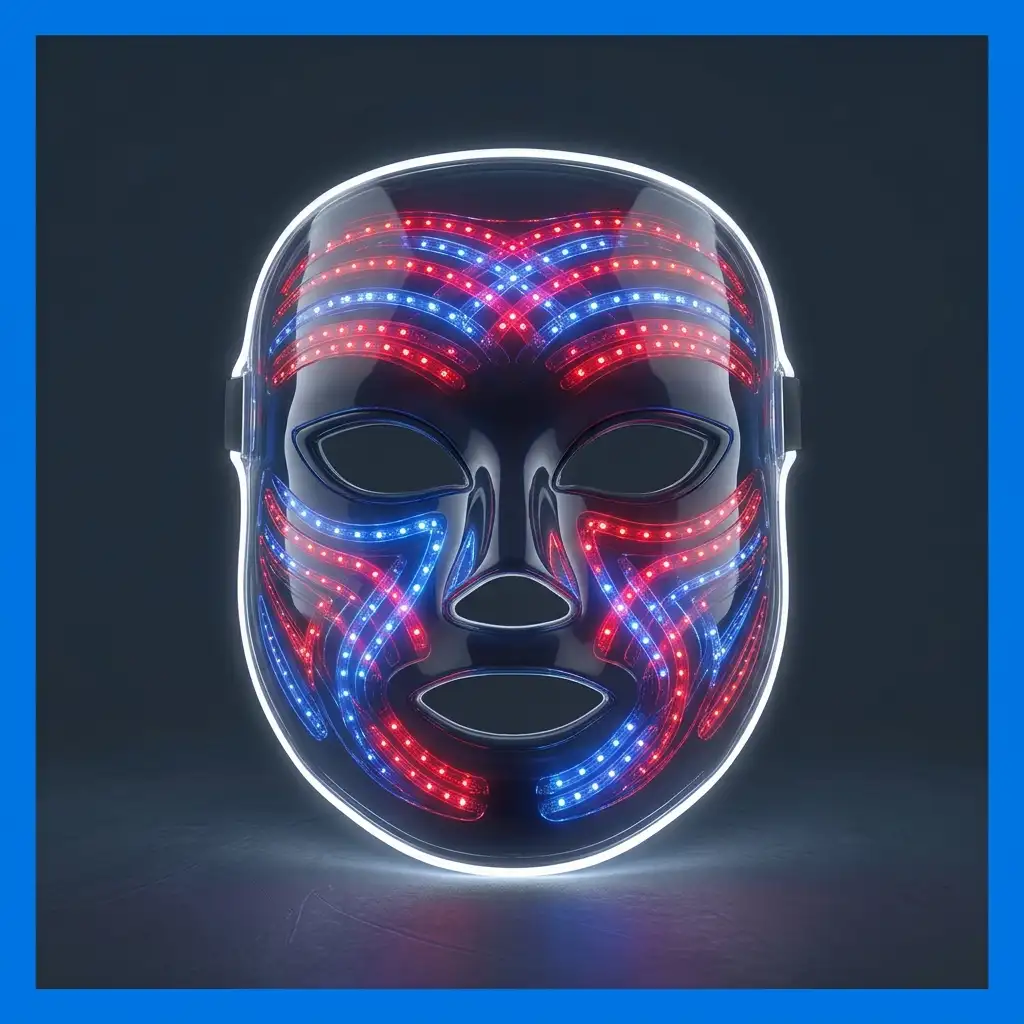
An LED face mask shines low-level light onto your skin through tiny diodes. Each color uses a different wavelength, so each color reaches a different depth. Because of that, LED face mask benefits depend on the light color, not on how the mask looks.
Interestingly, this technology began with NASA scientists in the early 1990s. They first used it for plant growth experiments and later for astronaut wound healing, according to Consumer Reports.
Today, dermatologists use stronger versions in clinics. Meanwhile, at-home masks use lower energy, which is why consistency matters. In other words, realistic LED face mask benefits arrive gradually, not dramatically.
LED Face Mask Benefits by Light Color
Not every color earns the same trust, so LED face mask benefits vary by light. Red and blue have the strongest support, while the other colors have thinner evidence. Therefore, name your goal first, then pick the light that matches it.
For example, if breakouts worry you most, blue deserves your attention. On the other hand, if fine lines bother you more, red and near-infrared make more sense. Many masks combine several colors, so you can usually switch modes.

Quick Chart: LED Face Mask Benefits by Color
| Light | Typical wavelength | Main use | Evidence level |
|---|---|---|---|
| Red | About 630-660 nm | Fine lines, tone, and redness | Strongest |
| Blue | About 415 nm | Mild to moderate acne | Strong for acne |
| Near-infrared | About 830 nm | Deeper skin support alongside red | Moderate |
| Green | Varies by brand | Tone and dullness claims | Thin |
| Yellow | Varies by brand | Redness and tone claims | Thin |
Sources: Consumer Reports and published LED research. Evidence levels are general guides, not medical advice.
Red Light: One of the Top LED Face Mask Benefits for Fine Lines
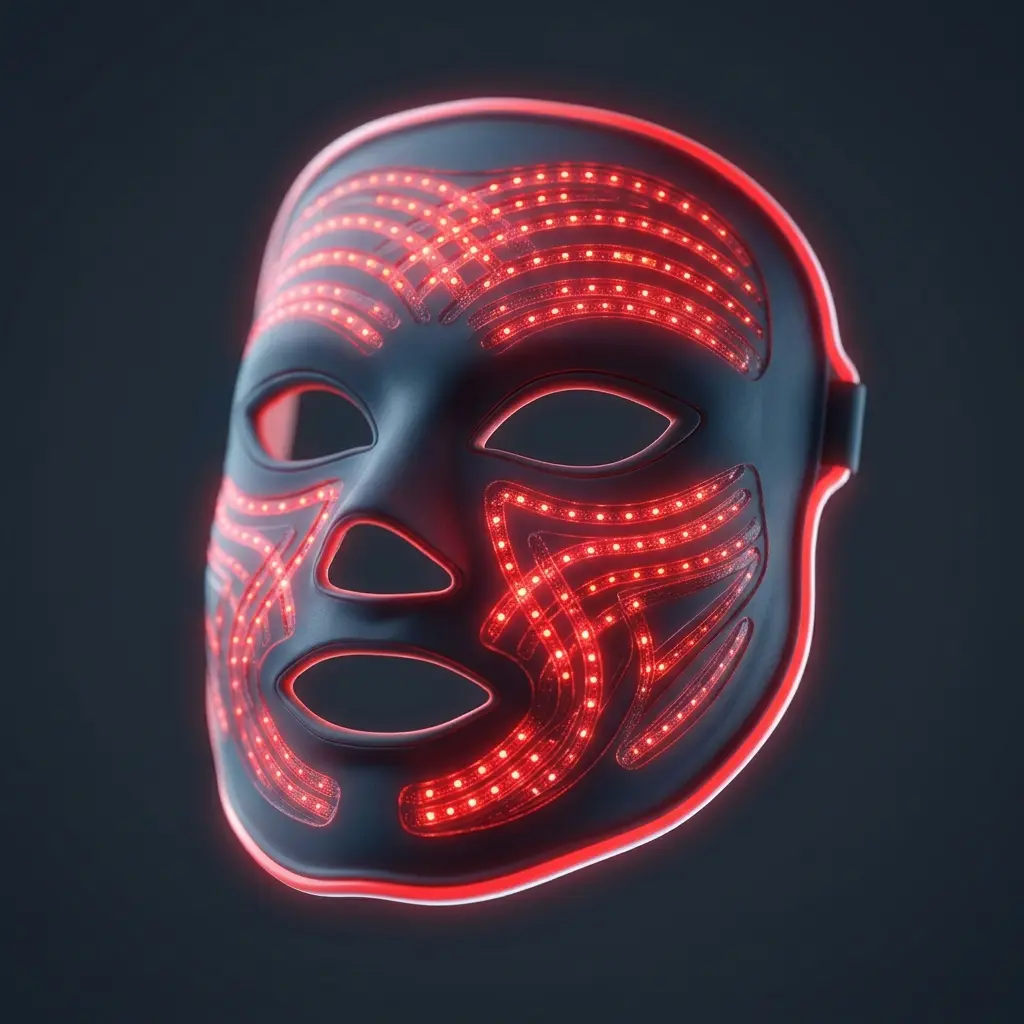
Red light sits at the center of most skin-focused masks. Its longer wavelength travels deeper into the skin, so it may support collagen and calm inflammation, according to Consumer Reports. As a result, red is the usual pick for fine lines and uneven tone.
The FDA has also cleared several over-the-counter masks for treating full-face wrinkles with red light. Still, clearance covers specific uses, not every promise on a box. Therefore, check what your mask is actually cleared for.
In addition, near-infrared light often pairs with red in studies. It travels deeper still, though home masks use gentle doses. Overall, expect subtle smoothing after weeks, not days. That is the honest version of red light LED face mask benefits.
Blue Light LED Face Mask Benefits for Acne
Blue light targets the bacteria involved in breakouts, as dermatologist Janiene Luke explained to Consumer Reports. Meanwhile, red light helps calm the inflammation that makes pimples sore. Together, the two colors explain most LED face mask benefits for acne.
A systematic review and meta-analysis found that red and blue LEDs both helped acne vulgaris. You can read the abstract on PubMed. Additionally, a small randomized trial tested an at-home red and blue device. It reported fewer inflammatory lesions at four and eight weeks. Still, only 23 people finished that study, so treat it as encouraging, not final.
That said, the American Academy of Dermatology says no one can predict who will respond to at-home acne devices. Therefore, keep your dermatologist’s plan in place if breakouts persist.


Near-Infrared, Green, and Yellow: What Is Proven?
Marketing loves green and yellow. However, Consumer Reports could not find clinical studies on those colors for at-home masks. Some research covers yellow light in other skin settings, so the picture is thin, not empty. For that reason, treat green and yellow modes as a bonus, not as core LED face mask benefits.
Near-infrared has more support, mainly alongside red light. Even so, the strongest LED face mask benefits still come from red and blue.
Match LED Face Mask Benefits to Your Skin Problem
Start with your problem, not the mask. Then match the light to it. The cards below turn LED face mask benefits into a simple choice.
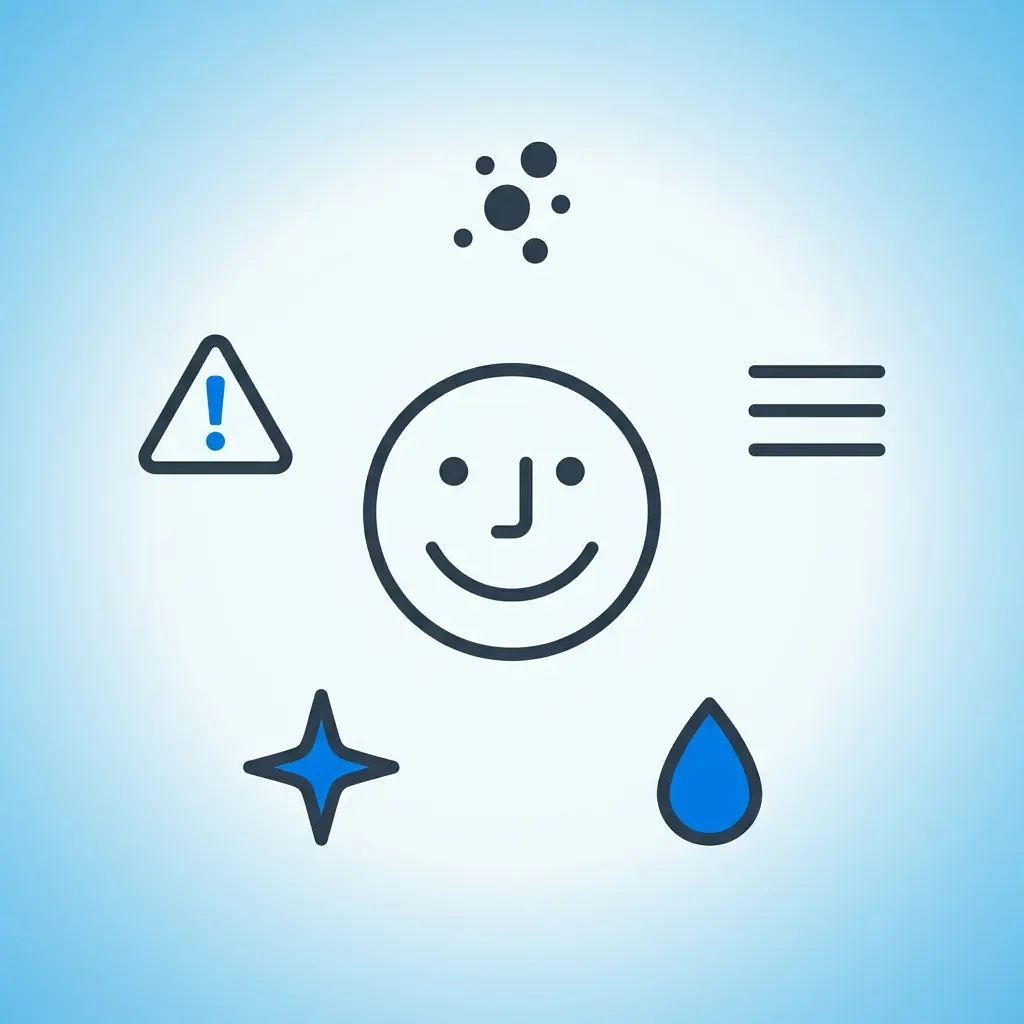
These matches reflect general guidance, not medical advice.
How Long Do LED Face Mask Benefits Take to Show?
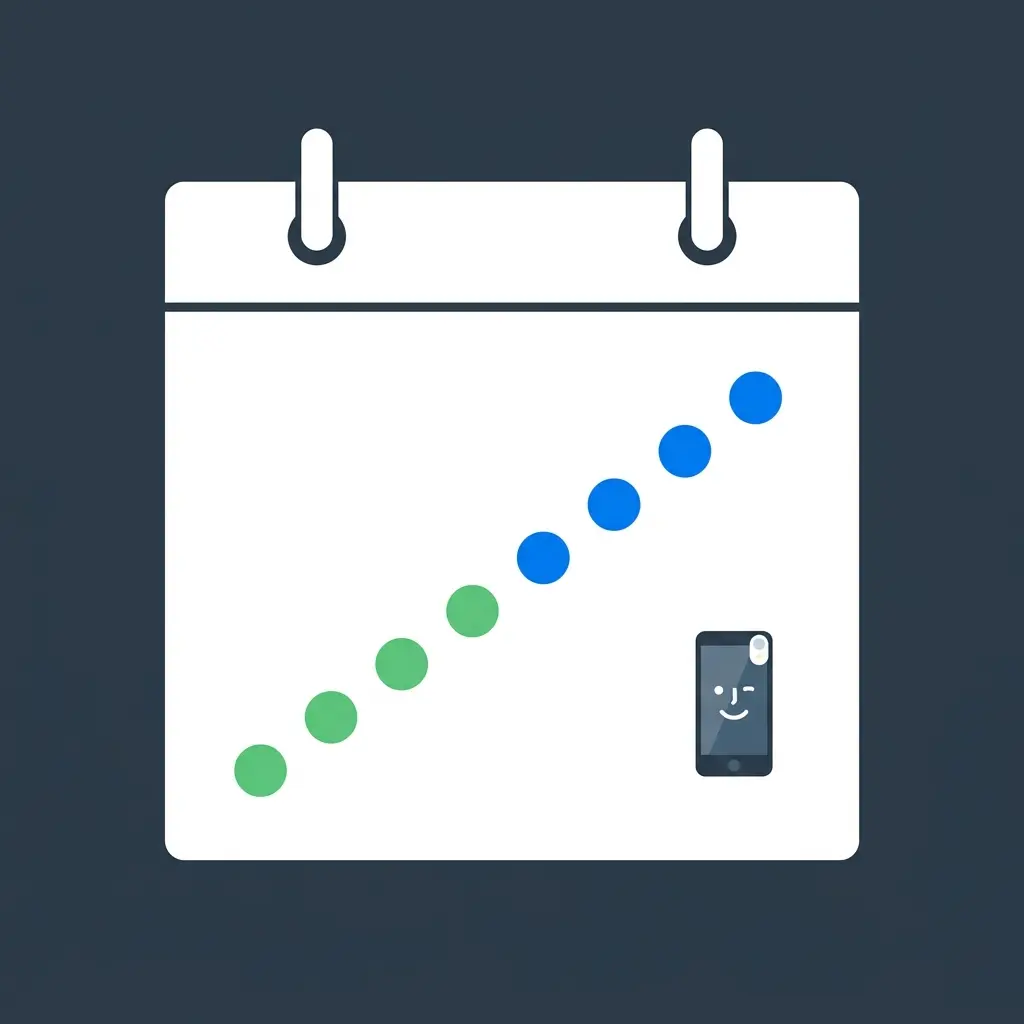
Patience is the real entry fee for LED face mask benefits. However, many masks call for about 10 to 20 minutes, three to five times weekly. One dermatology practice’s guide shares that range. It adds that visible changes often take six to eight weeks, though results vary.
Because every device differs, follow your mask’s manual instead of copying a stranger’s routine. In addition, take weekly photos in the same light. That way, you judge progress with evidence rather than mood. Also, remember that LED face mask benefits build slowly, so quitting early wastes the effort.
Safety Check Before You Chase LED Face Mask
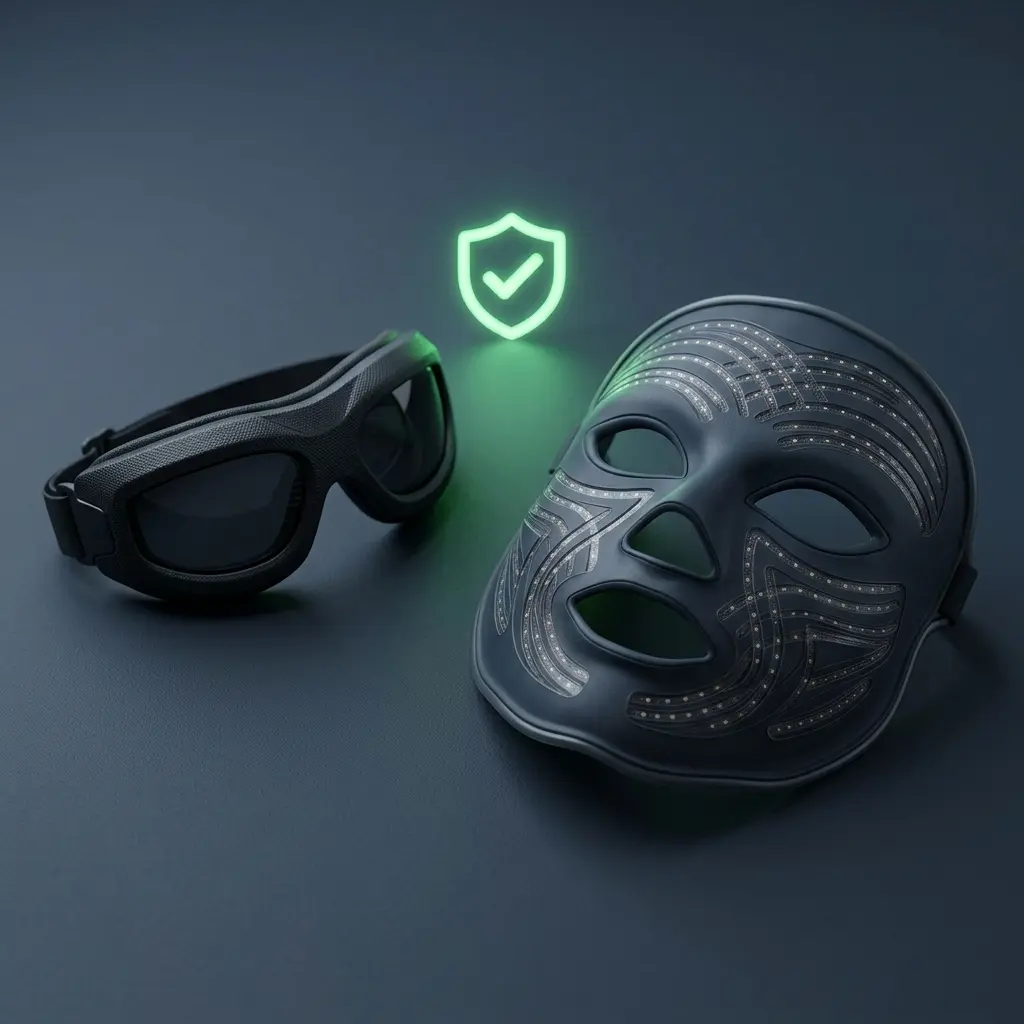
Most people tolerate home masks well, but a few groups need extra care when chasing LED face mask benefits. First, protect your eyes. Optometrist Robert Layman told Consumer Reports that goggles are a must for any light therapy. Some masks include them.
Next, darker skin tones deserve extra caution. According to Consumer Reports, LED masks are not well studied in people of color. Visible light can also trigger discoloration in some darker skin. Similarly, some dermatologists warn that light therapy can worsen melasma.
Finally, ask your dermatologist first if you take light-sensitizing medication or have an eye condition. Stop using the mask if you feel pain, heat, or discomfort. Long-term safety also needs more research, so follow the manual and skip extra sessions. For a deeper walkthrough, read our LED face mask therapy guide.

How to Spot a Mask That Delivers Real LED Face Mask Benefits
Amazon lists hundreds of masks, so a short checklist saves money. Use these checks before you trust any listing that promises big LED face mask benefits.
- Look for "FDA-cleared," not "FDA-approved," because masks use 510(k) clearance.
- Find the clearance number and confirm it in the FDA database.
- Check that the listing names real wavelengths, such as red and blue.
- Confirm goggles or eye shields come in the box.
- Skip claims like "cures acne" or "erases wrinkles overnight."
- Read recent reviews for battery, fit, and heat complaints.
Clearance matters because it shows the FDA reviewed the device for specific uses. For home masks, those uses are usually full-face wrinkles and mild to moderate inflammatory acne. You can verify any number in the FDA 510(k) database. If a seller cannot show one, skip that mask. To see how we judge a single mask, read our LED mask review.
Frequently Asked Questions
Checklist clipboard for spotting a real LED face mask with true LED face mask benefits
The main LED face mask benefits come from red and blue light. Red light may smooth fine lines and calm redness, while blue light targets the bacteria linked to breakouts. Near-infrared often joins red to reach deeper layers. However, home masks use gentle energy, so improvements arrive slowly and stay modest. For example, many people notice softer texture before they notice fewer lines. Meanwhile, green and yellow modes have thinner evidence, so treat them as extras. Overall, the best results come from steady use, daily sunscreen, and a simple routine.
Do LED face masks really work?
They can help, but the effect is modest and gradual. A systematic review found red and blue LEDs useful for acne, and a small at-home trial reported fewer inflammatory lesions. Still, at-home masks are weaker than office treatments, according to Consumer Reports. Therefore, expect support rather than a transformation. Also, results vary, and nobody can predict who will respond. If you want a clear answer for your skin, give a cleared mask eight consistent weeks. After that, compare your weekly photos and decide whether the LED face mask benefits are worth your time.
What does each LED face mask color do?
Red light targets fine lines, tone, and inflammation. Blue light targets acne-causing bacteria. Near-infrared pairs with red to reach deeper. Meanwhile, green and yellow lack strong clinical support in home masks, according to Consumer Reports. So, choose your mask by your goal. For breakouts, look for blue plus red. For aging concerns, prioritize red, with near-infrared as a bonus. Additionally, check that the listing names real wavelengths instead of vague color labels. That small step helps you avoid masks that look impressive but deliver little.
Are LED face masks safe to use every day?
Cleared masks are generally safe for most people when you follow the manual, but daily use is not always advised. Many guides suggest three to five sessions weekly. Besides, long-term safety needs more research, according to Consumer Reports. Protect your eyes with goggles, and stop if you feel pain or heat. Furthermore, ask a dermatologist first if you have melasma, an eye condition, or light-sensitizing medication. In short, safer use means short sessions, a cleared device, and a mask that fits your face properly.
How often should I use an LED face mask?
Follow your mask’s manual first, because devices differ in strength. Many masks suggest 10 to 20 minutes, three to five times weekly. Consistency matters more than extra sessions. For instance, a steady routine over eight weeks beats a burst of daily use followed by a long break. Additionally, cleanse your skin before each session and moisturize afterward. If your skin feels dry or irritated, cut back and take a rest day. Finally, track progress with weekly photos so you can see whether the LED face mask benefits justify the routine.
Can LED face masks help with dark spots or acne scars?
The evidence here is limited, so keep expectations low. Consumer Reports notes that people with darker skin can be more prone to discoloration from visible light. Moreover, some dermatologists warn that light therapy can worsen melasma. For that reason, check with a dermatologist before using a mask on stubborn dark patches. Red light may support overall tone over time, but it is not a proven fix for scars. Instead, pair gentle routines with sunscreen, because sun exposure darkens spots quickly.
Your Next Step
Here is what to remember. Pick the light color that fits your problem, choose an FDA-cleared mask, and keep goggles on during every session. Then give the routine eight steady weeks before you judge it.
In the end, LED face mask benefits are real but gentle. They work best beside sunscreen, a simple routine, and realistic expectations. Next, explore the guides below to keep building a smarter skincare routine.