
LED Face Mask Therapy: How to Use It Step by Step
Learn how to run LED face mask therapy safely, from prep to aftercare, without guessing.
As an Amazon Associate, Syed Shoppe earns from qualifying purchases. Read our affiliate disclaimer.
What You Will Learn
Your mask just arrived, and now the questions start. The manual says 10 minutes, but a friend says every night, and a forum says apply serum first. Honestly, who is right? So this guide explains LED face mask therapy in plain steps, updated October 2026. Also, we checked it against Consumer Reports and several maker guides. For the full product picture, see our skincare gadgets guide.
Here is the short version:Start with clean, dry skin and protect your eyes. Then run the session your manual recommends, and add moisturizer afterward. Above all, stay consistent, because LED face mask therapy rewards patience.
Also, remember that home masks are gentler than clinic devices, according to Consumer Reports. Therefore, aim for steady habits instead of long sessions. Follow the steps below, and you can skip the guesswork.
What Is LED Face Mask Therapy, and What Should You Expect?
LED face mask therapy means wearing a mask with small diodes that shine low-level light on your skin. Different colors use different wavelengths, so each color has a different job. For example, red light often targets fine lines, while blue light targets breakout bacteria.
However, this is a gentle, slow treatment. Home masks use less energy than clinic devices, so you should expect gradual changes. If you want the full breakdown of each color, read our LED face mask benefits guide.
In short, LED face mask therapy is a routine, not a quick fix. Therefore, the way you use the mask matters as much as the mask you buy.
Before Your First LED Face Mask Therapy Session
A little prep prevents most problems. First, confirm your mask is FDA-cleared for the use you want, and keep the manual nearby. You can look up a clearance number in the FDA 510(k) database. Also, check that goggles or eye shields came in the box.
Next, read the manual for session length and weekly limits. Devices differ in strength, so the manual always beats general advice. Finally, test your skin first. Start with a shorter session, and watch for redness or discomfort afterward.
Meanwhile, ask a dermatologist before starting if you take light-sensitizing medication or have a skin condition like melasma. These are common safety cautions, and they matter for this therapy.
How to Do LED Face Mask Therapy Step by Step
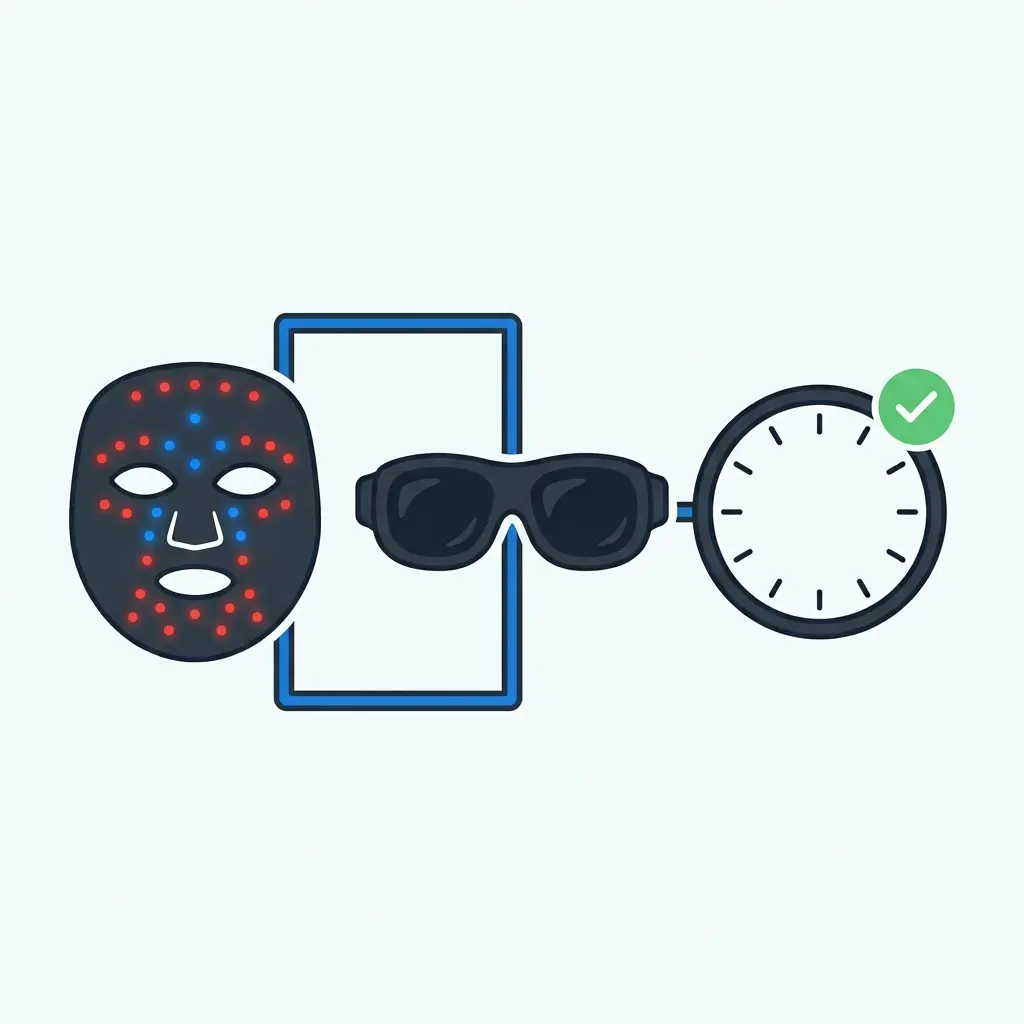
Here is the routine most makers describe, as in this manufacturer’s guide. It takes about 15 minutes, including setup. Because every mask differs, treat these steps as a framework and let your manual settle the details.
Notice that the order matters. Light needs a clear path to your skin, so makeup, sunscreen, and oil can get in the way. Therefore, always start bare when you do this therapy.
Example mask to consider: Nanoleaf FDA-cleared LED face mask with 7 modes. Price varies, approximately $150 to $250. These are examples, not tested picks, so confirm the FDA clearance number and read recent reviews first.
Serum Before or After LED Face Mask Therapy?
This question splits the experts, and the honest answer starts with your manual. Several makers say to wear the mask on bare skin. Then apply a hydrating serum and moisturizer afterward.
One reason is simple. Products under the mask can form a layer that reduces light reaching your skin, according to one maker’s guide. However, no large trial has tested layering orders, so treat this as practical advice, not proven science.
What about strong actives? Many guides suggest introducing retinol slowly and saving potent acids for a different night. Additionally, finish morning sessions with broad-spectrum sunscreen. As a result, your LED face mask therapy routine stays gentle and consistent.
How Often Should You Use
The short answer: follow your manual. Still, maker guides share a pattern. Many suggest 10 to 20 minutes, three to five times weekly. Meanwhile, others recommend gentler schedules with rest days.
For example, one maker advises two to three sessions weekly with at least two days between them. Another suggests a starter course of three to five weekly sessions, then lighter maintenance. Therefore, more is not always better.
Consistency beats intensity, because this therapy builds slowly. Meanwhile, longer sessions do not speed things up, and they can irritate your skin.
| Pattern | Typical session | Typical frequency | Note |
|---|---|---|---|
| Most home masks | 10 to 20 minutes | 3 to 5 times weekly | Common range in maker guides |
| Gentler masks | 10 to 15 minutes | 2 to 3 times weekly | Leave rest days between sessions |
| Starter course | About 10 minutes | 3 to 5 times weekly for 4 to 6 weeks | Some brands then suggest lighter use |
| Maintenance | Same as your manual | 1 to 3 times weekly | After the starter course |
Ranges come from maker guides, not clinical trials. Your mask's manual always comes first.
Example for short sessions: Dr. Dennis Gross DRx SpectraLite FaceWare Pro, listed as a 3-minute red and blue light mask. Approximately $455.
What to Expect From LED Face Mask Therapy Week by Week
Results take patience, so set realistic expectations. Maker guides suggest roughly four to twelve weeks of steady use before you judge. Meanwhile, weekly photos in the same light show progress better than memory. That is the honest timeline for this therapy.
Results vary, and nobody can predict who will respond.
LED Face Mask Therapy Side Effects and Simple Fixes
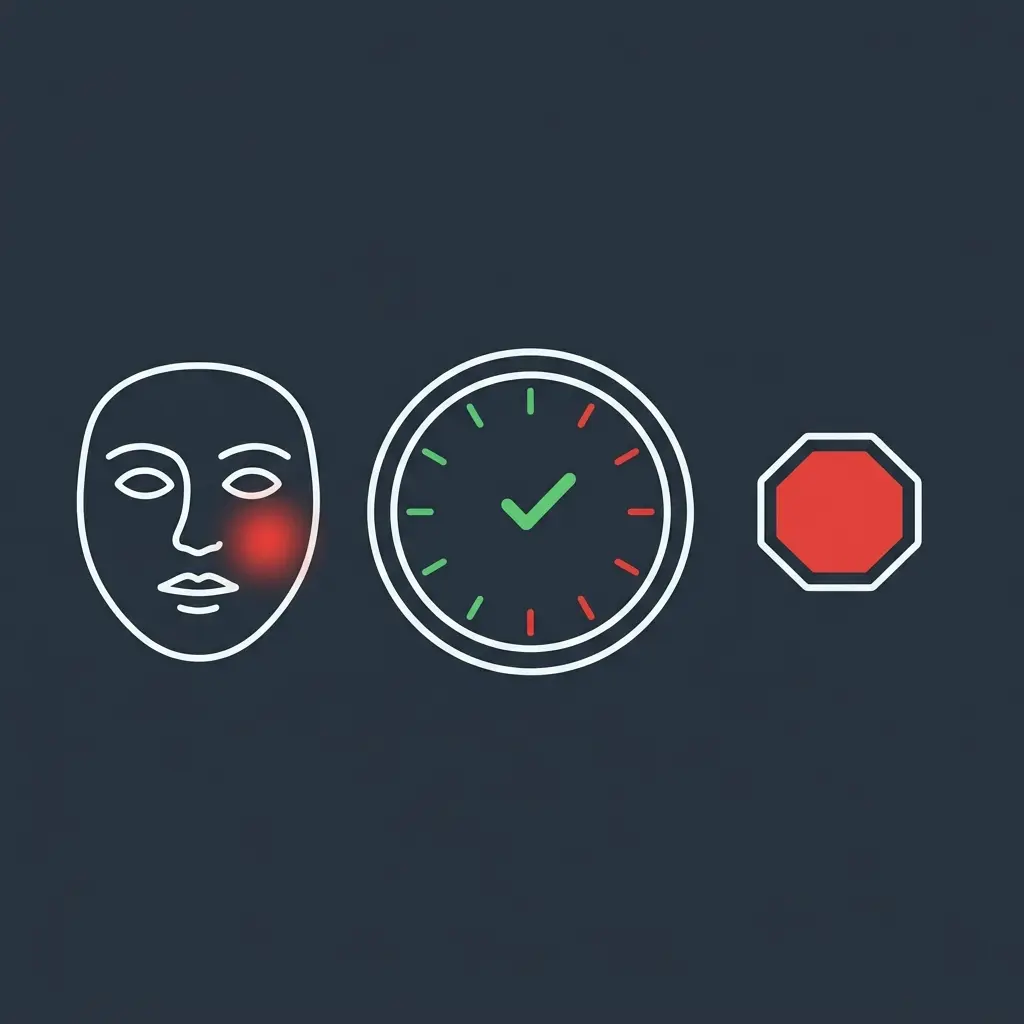
Most reactions are mild and short-lived, according to maker and expert guides. Even so, your skin deserves attention. Use the table below to decide whether to relax or stop.
As a rule, mild warmth should fade within about half an hour, according to one maker’s safety guide. Redness should settle within an hour or so. Pain, burning, or redness that lingers for hours means stop and reassess LED face mask therapy.
| What you notice | Common cause | What to do |
|---|---|---|
| Warmth or tingling | Normal light and heat | Wait. It should fade soon after the session. |
| Short-lived redness | Normal skin response | Rest. If it lingers for hours, stop and reassess. |
| Dryness or tightness | Too many sessions, or dry skin | Cut back and add moisturizer after sessions. |
| Eye strain or headache | Missing or poor eye protection | Wear goggles, keep your eyes closed, and pause if headaches return. |
| Extra breakouts early on | A temporary response, some makers say | Reduce frequency. See a dermatologist if it lasts past about three weeks. |
| Hot spots, stinging, or pain | Heat or pressure from the mask | Stop, and contact the maker or a dermatologist. |
General guidance from maker safety guides and Consumer Reports. It does not replace medical advice.
Who Should Ask a Dermatologist Before LED Face Mask Therapy?
Cleared masks are generally considered safe for most people, but a few situations call for a quick check-in. First, ask if you take medication that makes skin sensitive to light. Second, ask if you have melasma, since some dermatologists warn that light can worsen it.
Additionally, Consumer Reports notes that LED masks are not well studied in people of color. Visible light can also trigger discoloration in some darker skin. Finally, ask first if you have an eye condition or a persistent skin disease. For colors and safety basics, see our guide to LED mask light colors.
Common Mistakes to Avoid
Most disappointing results trace back to a few habits. Fortunately, each one is easy to fix. Check this list against your LED face mask therapy routine.
- Skipping the cleanse, so makeup or sunscreen blocks the light.
- Wearing the mask without goggles or eye shields.
- Stretching sessions longer than the manual allows.
- Adding extra days beyond what the manual recommends.
- Skipping sunscreen in the morning after a session.
- Judging results after one week instead of eight.
- Leaving the mask dirty, which can move oil and residue back onto your skin.
Cleaning also deserves its own note. After each session, wipe the inside with a soft damp cloth or an alcohol wipe, as maker guides advise. Then let it dry fully and store it somewhere cool and dry. That small habit protects your skin and your mask.
Frequently Asked Questions
LED face mask therapy side effects guide with a timer and stop sign
Most masks run 10 to 20 minutes, and many shut off automatically after 10 or 15 minutes. Follow the time your manual states. Longer sessions do not speed up LED face mask therapy, and they can leave your skin dry or irritated. For example, one maker’s mask has a 10-minute manual mode and a 15-minute automatic mode. Therefore, trust the built-in timer instead of adding extra minutes. Meanwhile, if you feel heat, stinging, or pain, stop the session right away. Consistent short sessions beat occasional long ones.
Can I use LED face mask therapy every day?
Most guides suggest three to five sessions weekly, and gentler masks suggest two to three. Daily use is not always advised, because overuse can cause dryness, redness, and irritation. However, your manual is the final word, since devices differ in strength. Also, rest days give your skin time to recover. If you notice tightness or lingering redness, cut back first. Overall, steady weekly use over several weeks matters more than doing LED face mask therapy every single day. Finally, if your skin feels fine, you can still keep one or two rest days weekly.
Should I apply serum before or after LED face mask therapy?
Several makers say to wear the mask on bare, clean skin and apply a hydrating serum afterward. One reason is that products under the mask may reduce the light reaching your skin. Still, no large trial has tested layering orders, so this is practical guidance. Therefore, check your manual first. After the session, hyaluronic acid and a simple moisturizer work well. In the morning, finish with broad-spectrum sunscreen to complete your LED face mask therapy routine. Besides, cleanse well first so the serum does not trap leftover makeup.
Can I use retinol or vitamin C with LED face mask therapy?
Many guides say yes, but with care. Introduce retinol slowly, and save potent acids or strong actives for a different night or several hours later. Additionally, watch your skin closely during the first weeks of LED face mask therapy. If you notice stinging, dryness, or redness, reduce either the actives or the sessions. Meanwhile, ask a dermatologist if you take prescription retinoids, since they can make skin more sensitive. Always add sunscreen in the morning. Overall, patience and gentle layering protect your skin.
Is morning or night better for LED face mask therapy?
Either works, so pick the time you can keep. Night sessions fit a relaxing routine, while morning sessions need sunscreen afterward. No evidence shows one time beats the other. Consequently, consistency matters more than the clock. For example, many people pair LED face mask therapy with their evening cleanse, because it is easy to remember. Whichever you choose, do one session per day at most, and follow your manual’s weekly limits. Besides, a regular slot makes it easier to track your progress over weeks.
How soon will I see results from LED face mask therapy?
Maker guides point to roughly four to twelve weeks of steady use. Some people notice subtle changes sooner, while others see little. Therefore, take weekly photos in the same light so you can judge fairly. Also, remember that home masks are gentler than clinic devices, according to Consumer Reports. If your skin looks the same after twelve consistent weeks, LED face mask therapy may not suit you. In that case, talk with a dermatologist about other options. Finally, keep expectations realistic, because LED face mask therapy supports skin gradually.
What if LED face mask therapy causes redness or breakouts?
Mild redness usually settles within about an hour, according to one maker’s guide. If redness lasts for hours, stop and let your skin recover. Likewise, a short breakout phase can happen early on, and some makers report it. However, if breakouts last beyond about three weeks, reduce your sessions and see a dermatologist. Meanwhile, add a gentle moisturizer, and skip new strong actives. Pain, burning, or a rash means stop LED face mask therapy immediately. Also, avoid scrubbing or harsh exfoliants until your skin calms down.
Your Next Step With LED Face Mask Therapy
Here is what to remember. Start with clean, bare skin, protect your eyes, and run the session your manual recommends. Then moisturize, and add sunscreen in the morning.
In the end, LED face mask therapy works best as a patient routine. Give it eight steady weeks, track your photos, and adjust if your skin complains. Next, explore the guides below.
Still choosing? Compare current prices on the two masks we mention.
Nanoleaf FDA-cleared LED face mask
Dr. Dennis Gross FaceWare Pro