
At Home Skin Care Devices: The Complete Guide
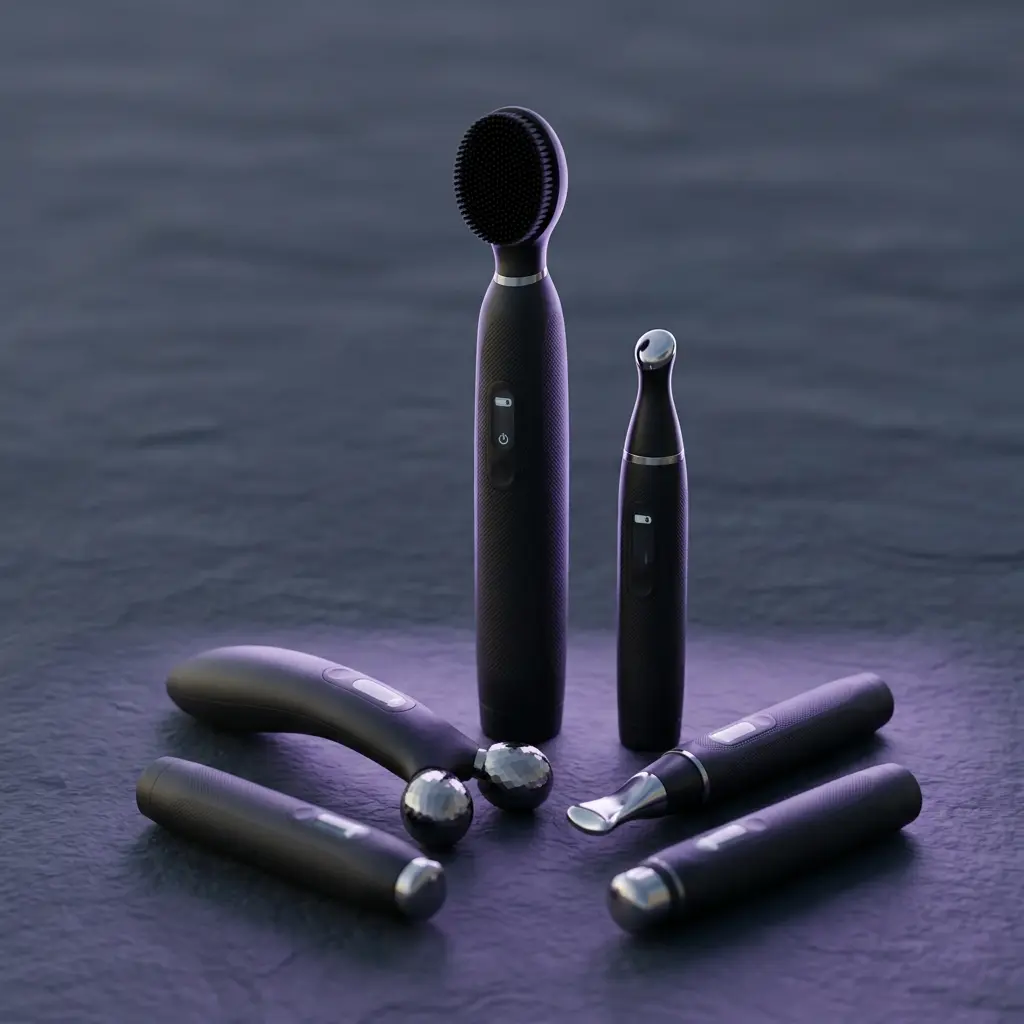
Picking the right at home skin care devices can feel overwhelming once you start comparing categories. In fact, Global Market Insights values the global skin care devices market at $23.6 billion in 2025, with growth projected to reach $76 billion by 2035. Meanwhile, five device types now dominate most routines: LED masks, microcurrent tools, cleansing brushes, derma rollers, and ice rollers. This guide lines up all five side by side. Also, see our full buying guide for ranked picks within each category.
Here is the short version. Every device type targets a different concern, so no single gadget suits every routine. However, price, mechanism, and time commitment vary widely across the five types below. We break down each one, plus how to match a device to your actual skin goal.
As an Amazon Associate, Syed Shoppe earns from qualifying purchases. Also, read our affiliate disclaimer.
What You Will Find in This Guide
At Home Skin Care Devices: A Quick Overview
Every category of at home skin care devices works through a different mechanism. Therefore, the right first purchase depends entirely on which skin concern you want to solve. First, scan the table below, then read the full breakdown for the device that catches your eye.
| Device | Approx. Price | Mechanism | Best For |
|---|---|---|---|
| LED Face Mask | $50-$300 | Red/blue light therapy | Acne and fine lines |
| Microcurrent Device | $50-$500 | Low-level electrical current | Toning and sculpting |
| Facial Cleansing Brush | $20-$150 | Sonic vibration or rotation | Daily deep cleansing |
| Derma Roller | $10-$30 | Manual microneedling | Texture, on a budget |
| Facial Ice Roller | $10-$25 | Cooling contact | Quick depuffing |
Prices shift often, so treat every figure here as approximate. According to Intel Market Research, these five categories now make up most of the consumer skin care devices market, with North America leading adoption. Now, let’s look at each device type in more depth.
LED Face Masks: Light Therapy for Acne and Fine Lines
LED face masks use red, blue, or near-infrared light to trigger a biological response in skin cells. In particular, red light supports collagen production, while blue light targets acne-causing bacteria. Mayo Clinic Press notes that at-home versions tend to be gentler than in-office equivalents, though consistent use still produces visible results over time.
Consequently, LED masks appeal to two different audiences at once: people managing breakouts, and people focused on tone and texture. Most sessions run 10 to 15 minutes, a few times each week.
- Dual-purpose: acne and anti-aging in one device
- Many models carry FDA clearance
- No needles, no downtime
- Works well alongside other devices in this guide
- Results build gradually over 8 to 12 weeks
- Higher-end models can be expensive
Note: device quality varies widely by brand, so research a specific model before buying.

Microcurrent Devices: A Workout for Facial Muscles
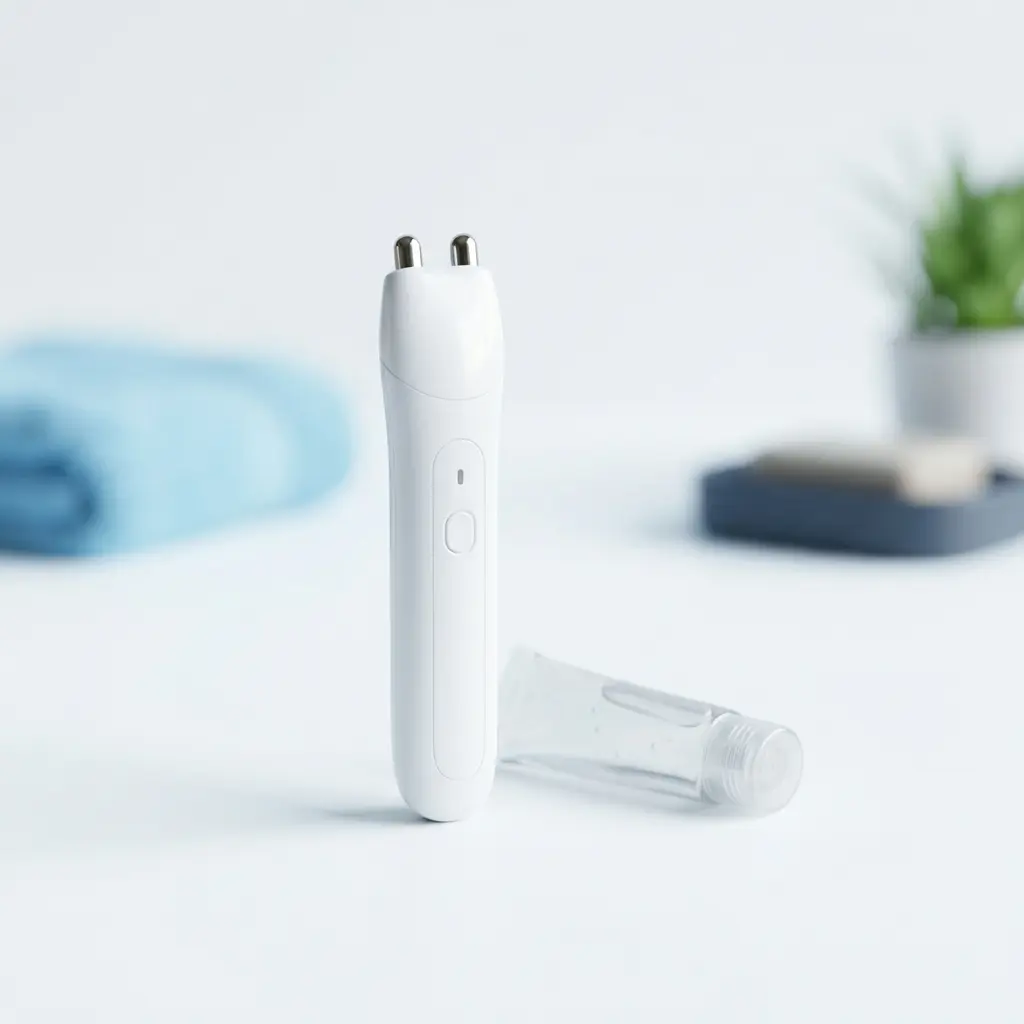
Microcurrent devices deliver a low-level electrical current that mimics the body’s own bioelectric signals. Many users describe the effect as a short workout for facial muscles. A water-based conductive gel is required, since the current needs a bridge to reach the muscle layer.
Sessions typically run just 5 minutes a day. Therefore, this category suits people who want a quick daily habit rather than a longer weekly ritual.
- Fast daily sessions, around 5 minutes
- Some models add nanocurrent for deeper stimulation
- No needles, fully non-invasive
- Pairs well with LED therapy routines
- Requires conductive gel every session
- Entry-level models vary in output strength
Note: always follow the manufacturer’s intensity guidance, since current strength differs by device.
Facial Cleansing Brushes: Deeper Daily Cleansing
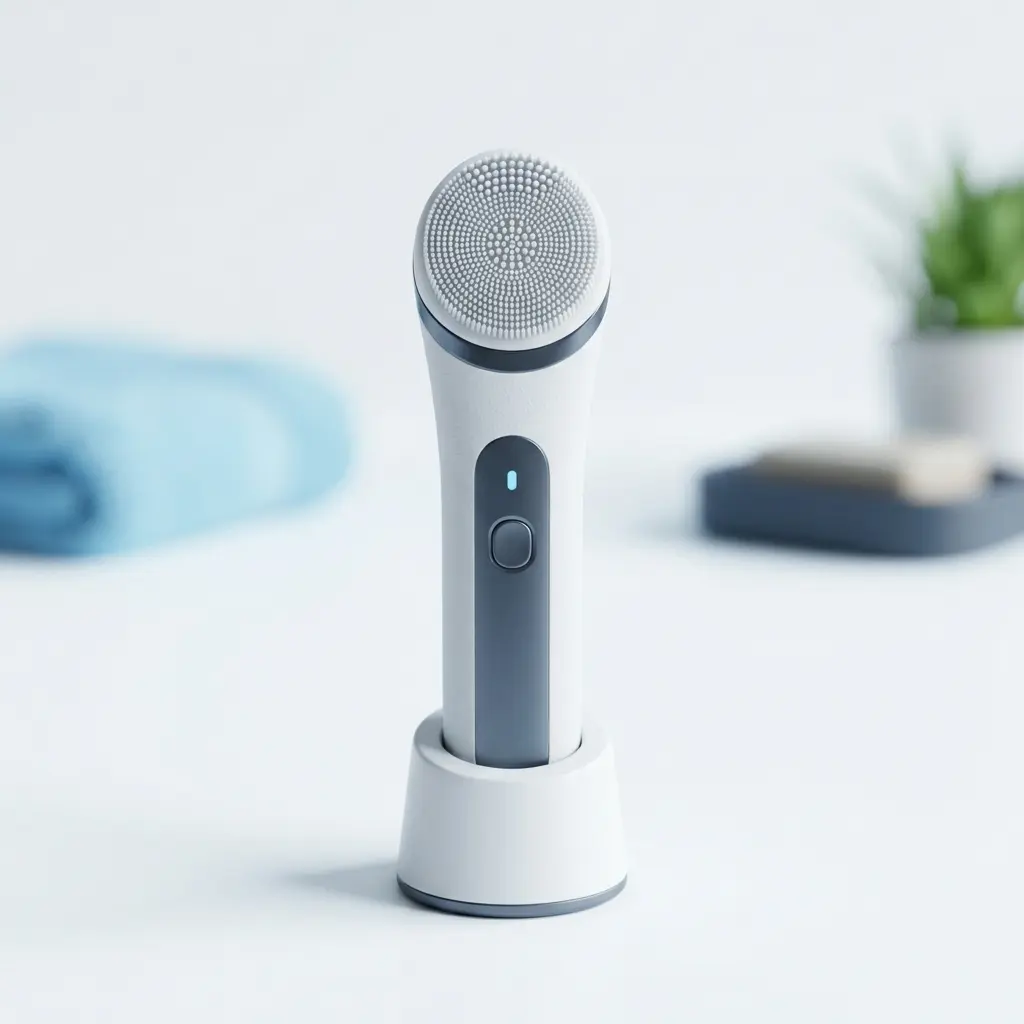
Facial cleansing brushes use sonic vibration or rotating silicone bristles to lift dirt, oil, and makeup residue more thoroughly than fingers alone. As a result, many people with oily or acne-prone skin notice fewer breakouts after switching.
However, sensitive skin types should start with a gentler silicone brush rather than a bristled version. Most models are fully shower-safe.
- Deeper cleansing than manual washing
- Silicone versions suit sensitive skin
- Most models are shower-safe
- Doubles as a gentle daily exfoliator
- Bristled brushes can irritate reactive skin
- Needs regular cleaning to avoid bacteria buildup
Note: replace brush heads or silicone pads on the schedule the manufacturer recommends.
Derma Rollers: Budget-Friendly Microneedling
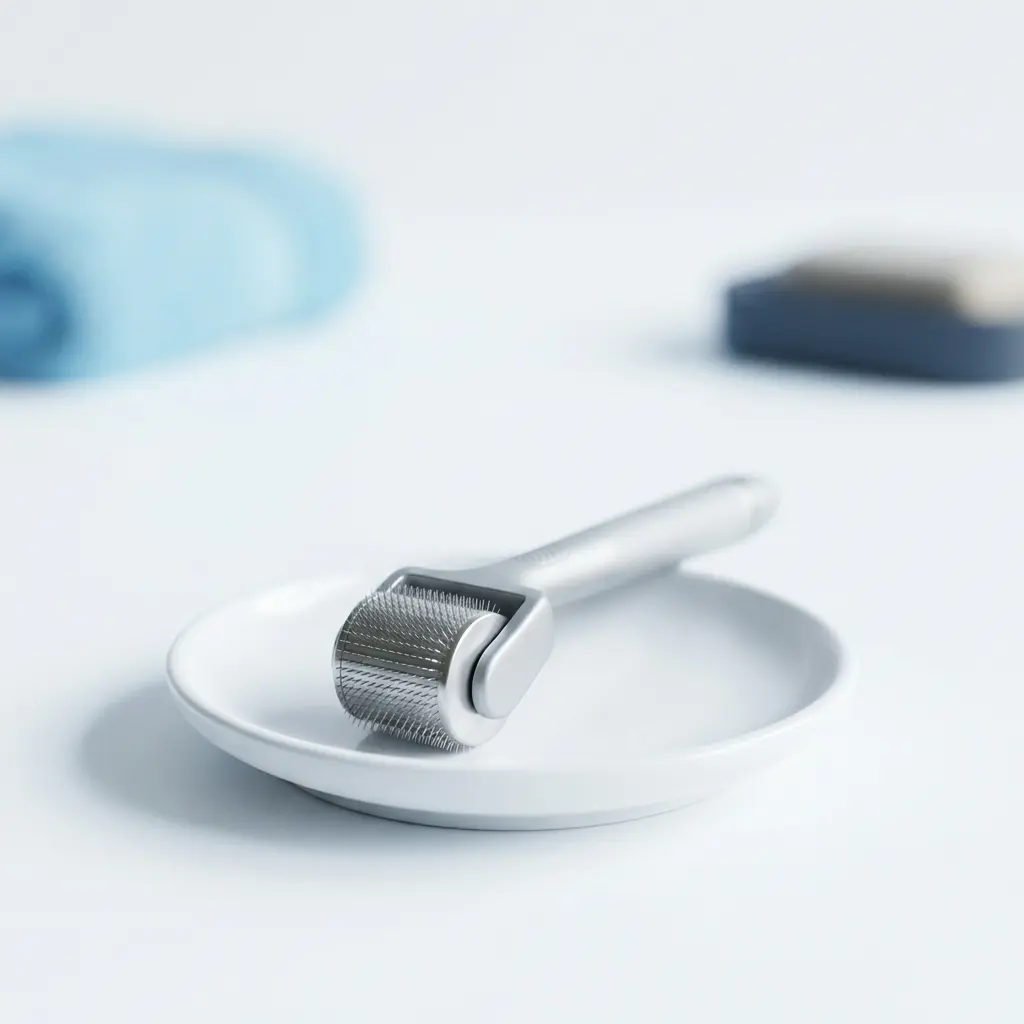
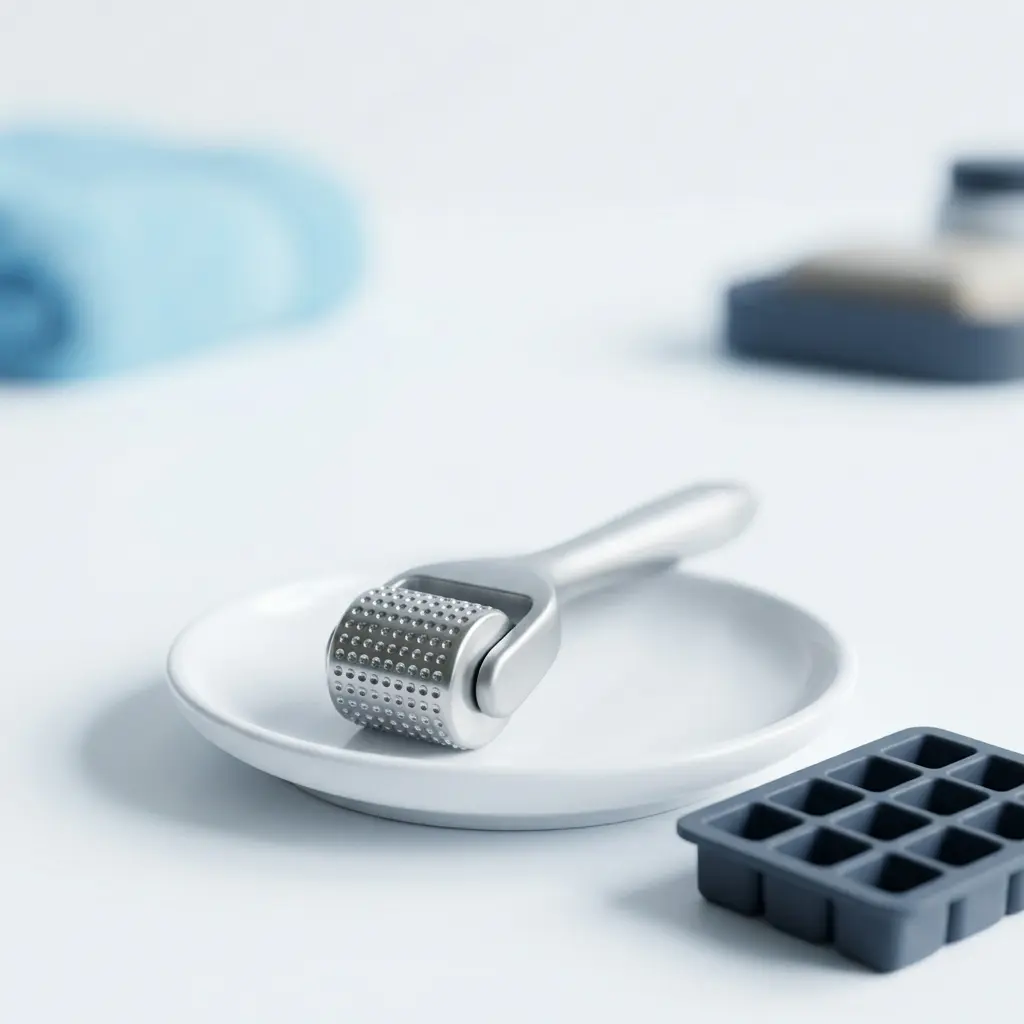
Derma rollers use hundreds of fine needles to create controlled micro-injuries in the skin, which triggers the body’s natural collagen response. Needle lengths typically range from 0.25mm for daily use to 1.0mm for occasional, deeper sessions.
Unlike every other device in this guide, a derma roller needs no battery or charging. Therefore, it sits at the lowest price point of the five categories here.
- Lowest price point in this entire guide
- No batteries or charging required
- Pairs well with serums for better absorption
- Simple to clean and store
- Needs careful sanitation between uses
- Not suitable for active breakouts or irritated skin
Note: always patch test a new derma roller and sanitize it before first use.
Facial Ice Rollers: Instant Cooling and Depuffing
Facial ice rollers use a cooling stainless-steel or silicone head to constrict blood vessels near the skin’s surface. This reduces puffiness within seconds, which makes the category popular as a quick morning step.
Unlike the other four devices here, an ice roller needs no power source at all. Just chill it in the freezer before each use.
- No batteries, no charging, ever
- Works in under 2 minutes per session
- Doubles as relief for tension headaches
- Lowest learning curve of any device here
- Effects are temporary, not cumulative
- Metal heads can feel too cold for sensitive skin
Note: wrap a metal roller head in a thin cloth if direct contact feels uncomfortable.
Which At Home Skin Care Device Should You Buy?
Not sure where to start? Use this quick filter instead. First, find the line that matches your main concern.
| Your Concern | Recommended Device | Why |
|---|---|---|
| Managing acne or breakouts | LED Face Mask (blue light) | Targets acne-causing bacteria directly |
| Want visible lift and toning | Microcurrent Device | Daily 5-minute muscle stimulation |
| Oily skin, deeper daily cleansing | Facial Cleansing Brush | Lifts residue manual washing misses |
| Tightest budget, texture concerns | Derma Roller | Lowest price, no power needed |
| Quick depuffing before an event | Facial Ice Roller | Instant, no learning curve |
Are At Home Skin Care Devices Safe?
Most at home skin care devices are safe for regular use when chosen and operated correctly. However, a few precautions apply across categories. Specifically, anyone with light sensitivity, epilepsy, or an active skin infection should consult a dermatologist before trying LED or microcurrent devices, per general guidance echoed in Mayo Clinic Press coverage of LED masks.
Derma rollers carry a separate consideration. They require sanitation between uses to avoid introducing bacteria into freshly punctured skin. Meanwhile, ice rollers and cleansing brushes carry the lowest overall risk profile of the five categories here.
Building a Routine Around At Home Skin Care Devices
A skin care device works best as part of a structured routine rather than a random add-on. Generally, cleansing should happen first, since oil and makeup residue block light wavelengths and electrical currents alike.
Next, apply any active device such as a derma roller or microcurrent tool before heavier serums, since these tools boost product absorption. Finally, follow with a moisturizer to lock in hydration once the session ends.
At Home Skin Care Devices: FAQs
What are at home skin care devices and how do they work?
At home skin care devices are tools that use light, electrical current, vibration, or fine needles to treat specific skin concerns. LED masks use color light therapy, microcurrent devices stimulate facial muscles with a low electrical charge, cleansing brushes use vibration to lift debris, and derma rollers use tiny needles to trigger collagen production. Each category targets a different concern, so the answer depends on which device you mean.
Which at home skin care device is best for anti-aging?
LED face masks and microcurrent devices are the two categories most associated with anti-aging results. Red light LED therapy supports collagen production, while microcurrent tools work more directly on facial muscle tone. Many people combine both, using LED therapy a few times weekly and microcurrent daily for a more complete routine.
Can at home skin care devices replace professional facials?
They can meaningfully supplement a routine, but they generally don’t match the intensity of professional-grade equipment. In-office treatments deliver faster results in a single session under supervision. At-home devices instead offer lower-intensity, repeatable treatment that adds up over weeks of consistent use, which makes them a complement rather than a full replacement.
How much do at home skin care devices typically cost?
Prices vary widely by category. Ice rollers and derma rollers typically run $10 to $30. Facial cleansing brushes range from $20 to $150. LED masks and microcurrent devices span the widest range, from around $50 for entry-level options to $500 or more for premium multi-mode systems.
What at home skin care device should a beginner start with?
A facial ice roller or a basic derma roller makes a practical first purchase, since both are inexpensive and need no charging. Once comfortable with a manual tool, many people move on to an LED mask or microcurrent device as their next investment.
Is the at home skin care devices market actually growing?
Yes. Global Market Insights values the category at $23.6 billion in 2025, with a projected climb to $76 billion by 2035. CB Insights separately tracks the at-home beauty device subscription segment growing at nearly 20% a year through 2036, which signals strong, sustained consumer demand rather than a short-term trend.
Final Verdict: Building Your At Home Skin Care Device Routine
At home skin care devices earn their place in a modern routine when matched to a real concern and used consistently. In short, LED masks and microcurrent devices suit anti-aging goals, cleansing brushes suit oily and acne-prone skin, and derma rollers plus ice rollers offer the most affordable entry point into the category.
Whichever device you choose first, confirm the exact model and included accessories before you order, since bundles vary by seller.
Keep Reading on Syed Shoppe
Want more help choosing? Then try these pages.