
The Complete Guide to Phone Accessories
Compare every type of phone accessory — chargers, cases, mounts, and more — and find the right pick for your device and budget.
🔍 COMPARE ACCESSORIESAs an Amazon Associate, Syed Shoppe earns from qualifying purchases. Published July 7, 2026.
The Complete Guide to Phone Accessories
Smartphones do plenty on their own, but the right phone accessories change how you use one every day. A magnetic power bank keeps your phone charged before your commute even starts. Meanwhile, a solid car mount keeps your eyes on the road instead of your lap. Manufacturers keep removing chargers and cables from the retail box. This is a major reason the global mobile accessories market keeps expanding year over year. Our guide walks through every major accessory category and explains exactly how to choose with confidence. It also links out to our in-depth reviews so you can compare specific picks side by side. If you already know what you need, jump straight to our full comparison guide for quick recommendations. Skip the rest of this guide and go there instead.
Table of Contents
What Are Phone Accessories?
Phone accessories cover any hardware you add to a smartphone after you buy it. That includes chargers, cases, mounts, grips, cables, and anything else designed to protect, power, or personalize your device. Some accessories solve a single problem, like a case that stops a cracked screen. Others solve several at once, such as a charging stand that also holds your phone upright for video calls.
The category has grown quickly for one simple reason: phones themselves changed. Wireless charging became standard, and headphone jacks disappeared. Magnetic mounting systems like MagSafe and Qi2 also turned a phone case into a mount for a dozen other products. As a result, these accessories now matter as much as the phone itself. They add real daily comfort and convenience.
Not every accessory deserves a spot in your bag, though. The sections below break the category into five practical groups. Each one links to a full review, so you can compare real options instead of guessing.
Protective Case
Best for every phone, every day
EssentialWireless Power Bank
Best for travel and long days away from outlets
EssentialWireless Car Charger
Best for daily commuters and road trips
RecommendedMagnetic Phone Grip
Best for one-handed use and video calls
RecommendedCharging Station
Best for multiple devices on one nightstand
Nice-to-HaveHow to Choose the Right Phone Accessories
Before you buy anything, run it through four quick checks. First, confirm compatibility — a MagSafe accessory works differently on an Android phone than a case with a built-in magnet ring, so match the accessory to your exact phone’s charging standard. Second, think about your actual use case instead of the marketing copy; a daily commuter needs a car mount more than a fast charger, while a frequent traveler needs the opposite. Third, look for real safety certifications rather than a low price tag alone. Fourth, decide your budget band before you start browsing, since accessory pricing varies more than most buyers expect.
- Compatibility: confirm your phone's charging standard (MagSafe, Qi2, or standard Qi) before buying any magnetic accessory
- Certification: look for MFi, USB-IF, or Qi2 certification on any charger or power bank
- Use case: match the accessory to how you actually use your phone daily, not to a spec sheet
- Budget: decide your price range first, then compare options within it rather than starting from the cheapest listing
Wireless charging has also split into two competing but related standards worth understanding before you buy: MagSafe, Apple’s original magnetic system, and Qi2, the newer industry-wide standard that several Android phones now support under different brand names. Either standard works well once you buy accessories built for your specific phone. Certified accessories manage heat and voltage more safely, and the Qi2 standard keeps expanding across Android brands each year, so check current compatibility before you commit to one ecosystem.
Apple's magnetic charging standard, built into iPhone 12 and later
Open industry magnetic standard, supported by many Android phones
Apple-approved for safe charging speeds and data transfer
Verified for safe, spec-compliant USB-C charging output
Wireless Power Banks and Portable Chargers
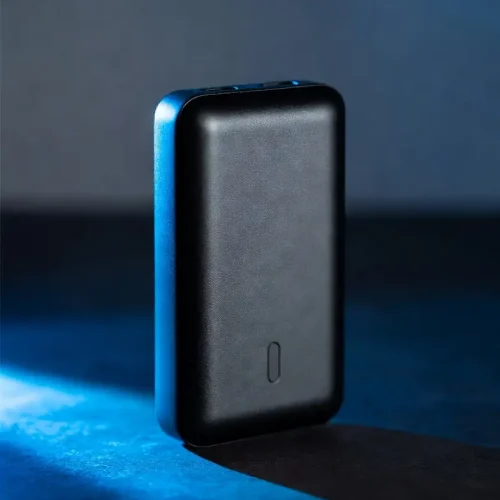
A wireless power bank solves the oldest phone problem there is: running out of battery away from an outlet. The magnetic versions snap directly onto the back of a compatible phone, which means no cable to lose and no awkward angle while it charges. Look for a capacity of at least 5,000mAh if you want a full charge on a typical flagship phone, and check that the bank supports both wireless and wired output for flexibility.
We break down specific capacities, charging speeds, and real test results in our magnetic power bank review, including how each model performed after repeated daily charging cycles.
Editor’s pick: the Anker MagGo Magnetic Power Bank — see current price and availability.
Wireless Car Chargers and Mounts
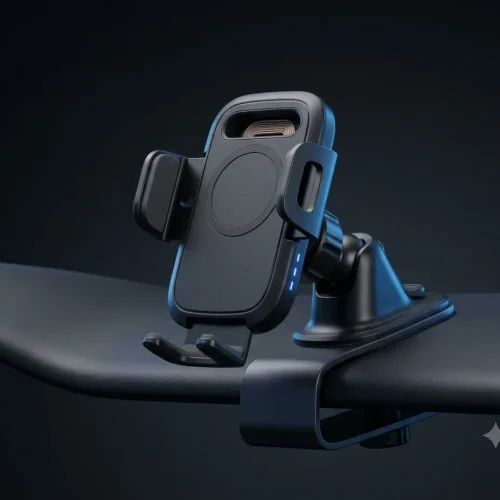
A wireless car charger combines two accessories into one: a secure mount and a charging pad. Instead of juggling a cable every time you get in the car, you place your phone on the mount and it starts charging automatically. Magnetic versions hold the phone more securely over bumps than older friction-grip mounts, and many now include active cooling to prevent the phone from overheating during long drives.
Our full car charger and mount review compares mounting strength, charging speed, and how each option handles heat over a long summer drive.
Editor’s pick: the ESR HaloLock Wireless Car Charger — see current price and availability.
Magnetic Phone Grips and Stands
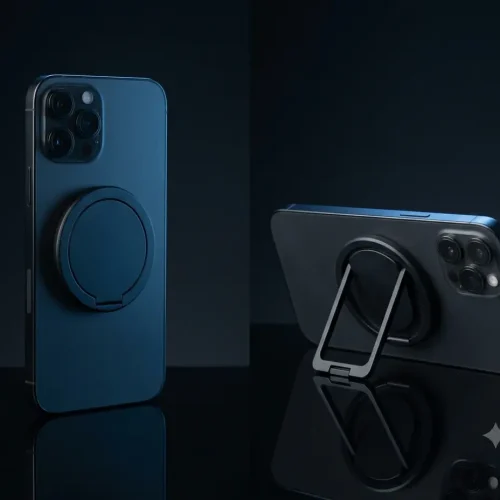
A phone grip solves a problem most people don’t notice until they drop their phone for the third time in a week. It gives your hand something secure to hold onto, and most modern versions double as a kickstand for hands-free video watching. Magnetic grips have an advantage over the older stick-on style: you can remove them instantly when you want to use a different mount or charger.
Check our phone grip and stand review for a full comparison of grip strength, stand angles, and how each option holds up after months of daily use.
Editor’s pick: the PopSockets MagSafe PopGrip — see current price and availability.
Protective Phone Cases
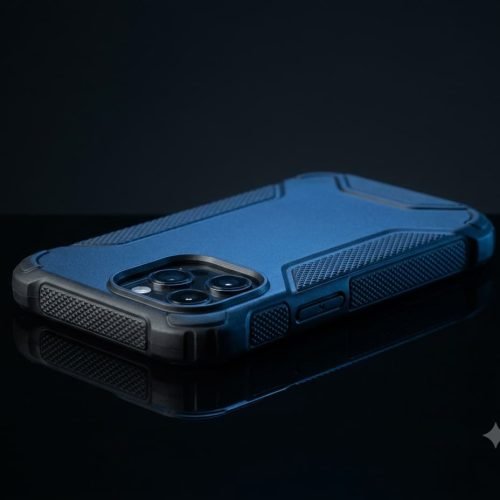
A phone case remains the single most common phone accessories purchase, and for good reason: it’s the cheapest insurance against the most expensive repair. A good case balances drop protection with a slim profile, since bulky cases often get left in a drawer instead of on the phone. Look for a case rated for at least a 6-foot drop, and confirm it doesn’t block wireless charging or magnetic mounting if you plan to use either.
Our protective case review covers real drop-test results, grip texture, and compatibility with magnetic accessories.
Editor’s pick: the Spigen Tough Armor Case — see current price and availability.
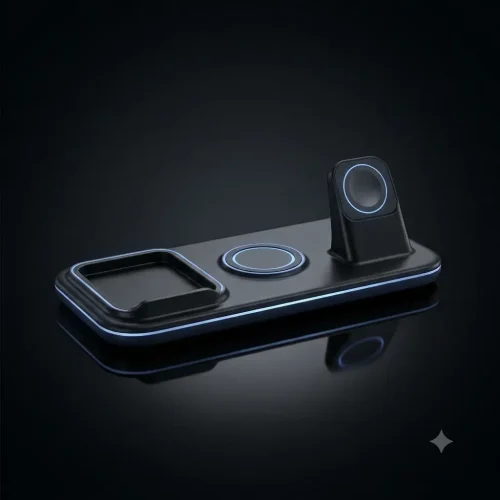
Multi-Device Charging Stations
A charging station earns its spot on a nightstand or desk by replacing three separate chargers with one. Most current models charge a phone, a set of earbuds, and a smartwatch at the same time, which cuts down on cable clutter significantly. Before buying one, check the wattage delivered to each pad individually, since some stations quietly slow down when all three spots are in use at once.
Our multi-device charging station review tests exactly how much charging speed you lose when all three pads run together.
Editor’s pick: the Anker 3-in-1 Wireless Charging Station — see current price and availability.
Frequently Asked Questions About Phone Accessories
What phone accessories do I actually need?
Most people only need three things to start: a case, a charger, and a car mount if they drive regularly. Everything else, including grips and multi-device stations, solves a specific problem rather than a universal one. Start with those three, then add accessories based on how you actually use your phone during a typical week. Buying everything at once usually means half of it goes unused.
What's the difference between MagSafe and Qi2 charging?
MagSafe is Apple’s own magnetic charging system, built into iPhone models since the iPhone 12. Qi2 is a newer, open industry standard that several Android manufacturers now support under their own branded names. Both use the same basic magnetic alignment idea, and most Qi2 accessories work with MagSafe iPhones too. Always check the specific compatibility listing before buying, since not every phone supports either standard.
Are cheap phone accessories safe to use?
It depends heavily on the accessory type. A cheap phone grip or stand carries little risk beyond durability. However, a cheap charger, power bank, or cable can pose a real safety issue if it lacks proper certification, since these products interact directly with your phone’s battery. Spend a little more on anything that touches your battery, and always check for MFi, USB-IF, or Qi2 certification first.
How do I know if an accessory fits my phone model?
Check the product listing for your exact phone model and storage size, not just the general phone name. Case dimensions, camera cutouts, and button placement change between model years, so a case built for one version rarely fits another perfectly. For magnetic accessories, confirm your phone supports MagSafe or Qi2 specifically, since standard Qi charging doesn’t include magnetic alignment.
Do phone accessories affect my phone's warranty?
Most accessories, including cases, chargers, and mounts, have no effect on your phone’s manufacturer warranty at all. The main exception involves modifications that alter the phone itself, such as opening the device or replacing internal components. A case, charger, or mount that simply attaches externally carries no warranty risk under normal use.
What phone accessories are worth spending more on?
Prioritize your budget on anything that touches your phone’s battery or protects it from damage: chargers, power banks, and cases. These three categories carry the highest cost of failure, either through safety risk or an expensive repair bill. Grips, stands, and organizational accessories carry much lower stakes, so a mid-range option usually performs just as well as a premium one.
Which Phone Accessories Should You Buy First?
Start with a case and a charger before anything else, since those two protect your phone and keep it powered through a normal day. From there, add a car mount if you drive often, and consider a multi-device charging station once you own a smartwatch or wireless earbuds worth simplifying. Every category above links to a full, tested review, so compare specific models before you commit to any single pick.
🔍 SEE OUR TOP PICKS →Explore More in Electronics
Best Electronics Products & Smart Gadgets Worth Buying